Since the Climate Change Act came into force in 2008, industries notorious for high energy usage, like the food chain, have been under pressure to reduce carbon emissions and meet net-zero targets.
As the population becomes increasingly aware of the environmental impact of their purchases, food retailers face mounting pressure from consumers to reduce their energy consumption.
“Approximately 40% of food retailers have set net-zero targets for 2050.” Source: Field to Market
Today’s consumers are increasingly choosing stores and brands that align with their environmental values. They are not just asking for sustainability; they’re demanding it, expecting retailers to disclose and actively reduce emissions across their entire value chain.
Meeting these demands is not just a tall order—it’s a complex challenge that requires strategic planning and innovative solutions. With vast refrigerated aisles and intricate supply chains, the journey to sustainability isn’t a straightforward path for retailers.
Navigating these challenges will require adopting new technologies, instilling a sustainability culture within the organisation, engaging with stakeholders, and progressively shifting towards cleaner practices.
Energy usage in the food chain
Energy usage in food retail spans from energy-intensive refrigeration units to keep perishables fresh, efficient lighting solutions to illuminate expansive store layouts and the complex logistics to get products on the shelves. All these operations are an integral part of the food chain and typically result in a considerable carbon footprint.
Imagine each stage of the supply chain, from production to delivery, with its own emission challenges.
Coupled with this are pressures from multi-regional and dispersed supply chains; each has to be assessed independently for energy efficiency, and each region has its own regulations and energy sources, so this is a challenging task.
Advanced technology and collaboration across the entire value chain are needed to shift towards more sustainable practices, but it takes work, given the varying degrees of sustainability practices currently in place among suppliers.
Transportation of goods often relies on fossil fuels, a significant emission source. Optimising logistics through ‘smarter’ routing systems and investing in electric or hybrid delivery fleets can mitigate some of these impacts.
Refrigeration is essential for keeping perishable goods fresh but also a pain point when it comes to sustainability as they are notorious for their high energy consumption. A typical supermarket in the UK uses around 700–1,000 kWh of energy per square metre. Science Direct breaks down energy use: Refrigeration: 30–50%
Lighting: 15–25% Space conditioning: 20%.
“Refrigeration systems in supermarkets can contribute up to 60% of a store’s total energy consumption.” Source: Science Direct
The green consumer
Interestingly, despite these challenges, there’s an optimistic wave. Many consumers are ready to dig deeper into their pockets for sustainable products. This trend presents opportunities for retailers to invest in energy-efficient technologies and renewable energy sources, eventually meeting consumer expectations and environmental needs.
The Harvard Business Review believe there has never been a better time to launch a sustainable offering with consumers—particularly Millennials—saying they want brands that embrace purpose and sustainability, and 65% saying they want to buy purpose-driven brands that advocate sustainability.
Committing to innovation
By investing in energy-saving technologies and leveraging partnerships with technology companies, retailers can pave the way to meet their net-zero expectations, reduce their environmental impact and align with consumer values.
The journey to net-zero operations may be fraught with obstacles, but it is also an opportunity. For every hurdle in reducing energy consumption and transforming supply chains, there lies the potential to forge stronger connections with conscientious consumers and set industry benchmarks.
Embracing these challenges is not just about survival; it’s about leading the way towards a greener future. By committing to innovation, leading by example, ensuring compliance, and transforming towards sustainability, your company can inspire new ways of doing business and position itself as a leader in the sustainable retail landscape.
Further reading: Climate Change: And The Food Industry
Emissis: Addressing Climate Change and Its Founder’s Connection to the English Bluebell
Managing director Shaun Nugent founded Emissis in a bid to tackle climate change by drawing upon his electrical mechanical and cooling engineering background to develop energy-saving devices that would cut energy usage and promote sustainability.
But what inspired Shaun’s creation of Emissis? This article will explore Shaun’s passions for nature, innovation, and sustainability and examine what the future holds for this Stokesley-based company.
Emissis – The Beginning
‘Emissis’ is a blend of Greek and Latin, with central themes like emissions, energy, and reduction, a fitting name for Shaun’s vision.
The British Bluebell is a symbol of the fragility of nature in the face of climate change. Source: The Guardian
The visual representation of the Emissis brand was inspired by the natural environment. While hiking, Shaun was drawn to the British Bluebell and was immediately impressed with the richly coloured flower. To Shaun, the flower was more than just a part of the landscape; it symbolised an urgency in addressing climate challenges.
British Bluebells are sensitive to temperature increases and may face extinction due to global warming. Source: Science Daily.
By linking its identity to the colour of this emblematic flower, the Emissis brand was positioned to reflect its mission for fostering a sustainable future.
Emissis and The Journey Towards Net Zero
Emissis began its journey towards reducing carbon emissions by developing several innovative energy-saving devices that would significantly reduce energy use and help its clients combat climate change.
Since its inception in 2020, Emissis has helped many private and public sectors save energy costs and unlock the benefits of reducing carbon emissions across their operations.
The Emissis client base spans many sectors, including BAE, BP, Hays Sodexo, Network Rail, and Virgin Media.
Emissis expansion in Europe
In 2024, Emissis opened a second office in Switzerland to help European organisations benefit from its innovative energy-saving devices.
By extending its reach into Switzerland, Emissis aims to leverage the country’s strong commitment to sustainable practices and robust environmental regulations. This initiative promises to bring proven, effective energy solutions to Swiss companies, empowering them to reduce their carbon footprint while optimising energy use significantly.
What the Future Holds for Emissis
The strategic partnership with Univers fuels their vision. This collaboration is much more than an alliance; it is a powerhouse combining decades of expertise and forward-thinking solutions.
Together, they have launched enPact, an energy-saving solution to revolutionise energy efficiency. The new groundbreaking solution combines the world’s most comprehensive decarbonisation system with the unique energy-carbon-saving technology from Emissis. It promises to reduce energy consumption by up to 20%, steering companies closer to zero-carbon operations.
Organisations adopting Emissis solutions will not just be participating in reducing carbon emissions; they will be part of a broader movement towards a sustainable future that will benefit present and future generations.


Over the last five years, energy costs for UK hotels have significantly increased due to several factors, including rising wholesale energy prices, regulatory changes, and increased demand for energy.
The volatility in the energy market has made it challenging for hotels to predict and manage their operational costs effectively.
This article explores how rising energy costs are reshaping the hotel sector and aims to provide you with helpful energy-saving advice.
“The recent recovery in the UK hotel market has been outperforming all expectations, but the energy cost crisis, and subsequent squeeze on consumer disposable incomes, is perhaps the biggest challenge the sector will face following the pandemic.” Savilles
On average, hotels in the United Kingdom consume between 10,000 and 15,000 kWh of electricity per room per year. This includes electricity used for lighting, heating, and other essential operations.
Heating, ventilation, and air conditioning (HVAC) systems are often the biggest energy consumers in hotels, sometimes accounting for half of a hotel’s total energy use. On average, each square meter of a hotel room uses around 0.55 kWh each day, depending on various factors like the hotel’s size, the system’s efficiency, and the building’s insulation quality.
Like in our homes, business energy usage will go up or down depending on the time of year. However, with high energy consumption and soaring energy costs, it is essential to look for ways to optimise energy usage and boost overall efficiency.
Challenges facing the hotel sector
“Energy costs for the UK hotels sector has doubled in four years” RSM Hotels tracker.
From increased operational expenses to changes in guest experiences, the repercussions are multifaceted:
- Higher utility bills lead to tighter budgets
- Pressure to adopt energy-efficient technologies
- Potential increases in room rates
- Enhanced focus on sustainability measures
- In regions with outdated or less reliable energy infrastructure, hotels may encounter higher costs due to inefficiencies and the need for backup power solutions, leading to increased operational expenses and potential service disruptions.
The rapid increase in energy costs presents a significant challenge for the hotel industry, requiring innovative strategies to manage expenses effectively.
Top tips for reducing energy costs
Adopting energy-saving measures throughout your operation can help reduce energy consumption; here are our top tips.
- Using less energy during peak periods can lead to lower operational costs
- Implementing energy-efficient water heating systems
- Encourage guests to conserve water
- Train staff in energy management
- Turn off or down equipment when it’s not in use
- Regularly defrost and clean fridges
- Check and replace door seals on cold rooms, fridges, and frozen food stores.
Energy management strategies
Implementing an Energy Management System (EMS)* will help you to monitor and control your energy usage in real time, helping reduce consumption during peak periods and allocate your resources more efficiently. The initial investment in EMS can be substantial, but the long-term savings and operational efficiencies make it worthwhile.
Advancements in energy-saving technology
Innovative technological advancements in energy savings create new avenues for hotels to embrace sustainability without compromising guest comfort. Such innovations include smart thermostats, keycards, and LED lighting, which are integral to modern hotel operations.
Optimise HVAC systems
HVAC stands for heating, ventilation, and air conditioning – the systems that work together to keep your hotel a comfortable temperature and improve air quality. There are several emerging HVAC innovations and trends to look out for including:
- Smart thermostats
- IoT integration
- Predictive maintenance
- Geothermal heating and cooling
- Eco-friendly refrigerants
- Zoning technology
- Variable refrigerant flow systems
Effective HVAC systems can adjust their output based on demand, using less energy compared to fixed-speed systems that run at a constant rate.
Voltage optimisation
The average voltage in the UK is 242 volts, which is higher than the 220 volts that electrical equipment typically operates at. This higher voltage can lead to increased energy consumption and higher electricity bills.
Voltage optimisation is a transformer-based technology that supplies a voltage level that is more suitable for the electrical device to perform its task more efficiently. By adjusting and controlling voltage levels on a user’s site, voltage optimisation can help reduce energy consumption by up to 20%. In addition, Voltage optimisation can prevent damage and extend the life of electrical equipment.
Voltage optimisation solutions also qualify for 100% tax relief so instalment costs can be offset against corporation tax.
Renewable energy & sustainability
There’s a noticeable shift towards renewable energy sources, driven by guests’ increasing preference for eco-friendly accommodations and the necessity to keep operational costs in check. This emphasis on sustainability is reshaping how hotels approach their energy management policies. However, Hotels committed to sustainability may face higher costs due to reliance on non-renewable energy sources.
Some hotels can reduce their carbon footprint and shield themselves from the volatile fossil fuel market by incorporating solar, wind, or geothermal energy. This alignment with renewable energy doesn’t just cut costs; it also appeals to the growing segment of eco-conscious travellers.
Conclusion
Working with an expert will help you navigate the challenges of rising energy costs. They can offer tailored energy solutions and strategies, ensuring your hotel remains competitive and eco-friendly.
*EnPact a complete end-to-end decarbonisation solution
Emissis and Univers have launched a groundbreaking, solution that combines the Univers energy management system with Emissis innovative energy-saving devices providing clients with a complete end-to-end solution.
enPact guarantees significant, evidenced-based energy savings of +20%, making it ideal for sectors with high energy consumption.
Download our brochure here or contact one of our experts to arrange a desktop proposal.

For over two decades, UK-based mechanical engineering company Emissis has steadfastly committed to helping private and public sector businesses unlock the benefits of reducing carbon emissions and energy use.
Today, Emissis announced a new partnership: they will join forces with Univers, pioneers of the world’s most comprehensive decarbonisation platform.
Decarbonisation has been a hot topic since the Paris Agreement was adopted in 2015 under the United Nations Framework Convention on Climate Change (UNFCCC), aiming to bring together countries to reduce their greenhouse gas emissions and keep the global temperature increase below 2 degrees Celsius above pre-industrial levels.
Over 190 countries have committed to these ambitious climate goals and are placing additional pressure on organisations to reduce their energy usage, particularly those with a heavy carbon footprint.
The new partnership aims to address these pressures by launching an exciting new innovative energy-saving solution, enPact. Retrofit devices will save up to 20% of energy consumption, fully supported with powerful technology that connects on-the-ground operational and in-the-cloud intelligence to deliver real-time energy data and data-driven carbon monitoring, reporting, and abatement.
Michael Ding, Global Executive Director of Univers, said: “Univers and Emissis came together to jointly solve the challenges faced by industries with high energy intensity, especially in the area of HVAC, cooling and refrigeration. These energy savings will accelerate decarbonisation for these industries.”
Organisations are encouraged to attend webinars taking place during September to learn more about this exciting new solution, interested parties can register to attend here.
Emissis and Univers have helped hundreds of companies save millions in energy overspending and waste. They believe enPact will help many more companies on their journey towards net zero.
Managing Director of Emissis, Shaun Nugent, said, “We are delighted to partner with Univers because we have a shared passion for helping companies across the globe transition to net zero carbon operations.”
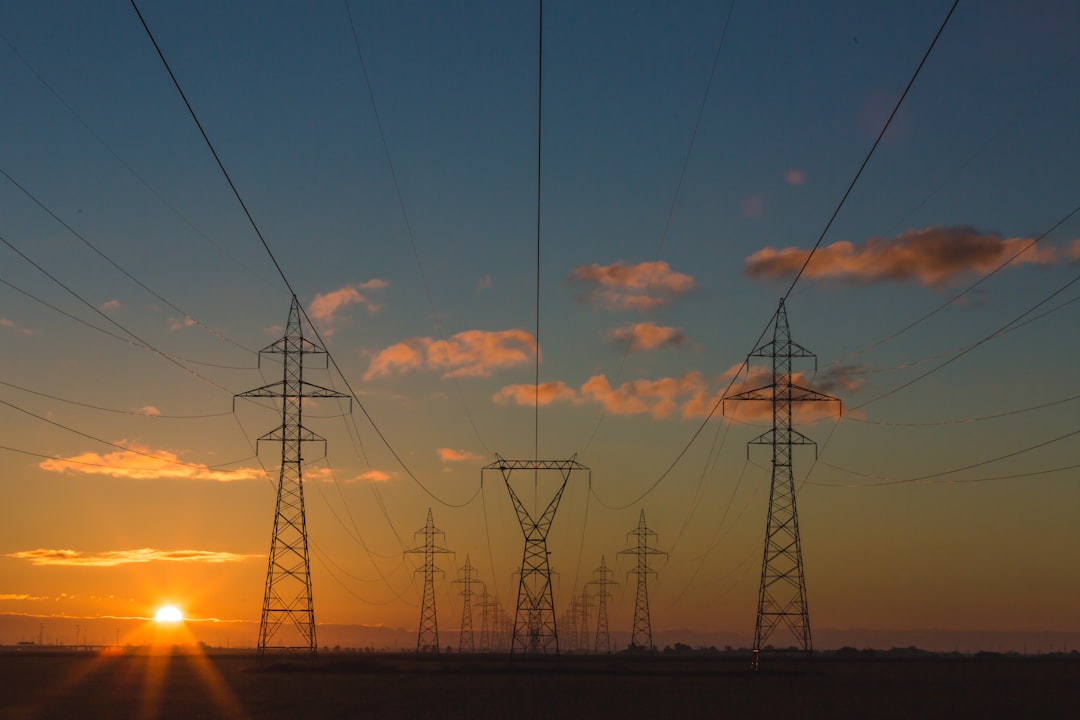 Energy costs are rising in the UK, and businesses are feeling the pinch. With increasing operational expenses, companies are looking for ways to mitigate the impact of higher energy bills. This article explores why energy costs are increasing, how they affect businesses, and what solutions are available to manage these expenses.
“81% of UK businesses expect to raise prices in the next two years in response to high energy costs” PwC research
Why Are Energy Costs Rising?
Energy prices in the UK have been climbing due to several factors. Understanding these reasons can help us to prepare and adapt.
Global Energy Market Fluctuations
The global energy market significantly influences UK energy prices. Supply and demand dynamics, geopolitical tensions, and natural disasters can cause fluctuations in energy prices. When global oil and gas prices rise, so do the costs for businesses in the UK.
Regulatory Changes
Government policies and regulations also contribute to rising energy costs. Initiatives aimed at reducing carbon emissions, while beneficial for the environment, often come with added costs, which are usually passed down to consumers and businesses.
Infrastructure and Maintenance Costs
Maintaining and upgrading energy infrastructure is costly. As the UK transitions to greener energy sources, investments in new technologies and systems are necessary, and this is reflected in energy prices.
Impact on UK Businesses
“Over the last two years, 77% of businesses said high energy costs had driven up the price of their products and services, at least moderately. Over a quarter of all companies cited energy costs negatively impacting profits and margins over the last two years.” PwC research
Rising energy costs affect businesses in various ways, from increased operational expenses to reduced competitiveness. Understanding these impacts can help companies to develop strategies to cope.
Increased Operational Expenses
Higher energy bills mean increased operational costs. These expenses can significantly affect the bottom line for energy-intensive industries, such as manufacturing and logistics. Small and medium-sized enterprises (SMEs) are particularly vulnerable as they often lack the financial buffers of larger corporations.
Reduced Competitiveness
When energy costs rise, the overall cost of production goes up, making UK businesses less competitive than companies in countries with lower energy costs. Higher prices can lead to reduced sales and profitability.
Pressure on Profit Margins
Increased energy costs can squeeze profit margins, especially for businesses that cannot pass these costs onto their customers. This pressure can lead to cost-cutting measures, including layoffs and reduced investment in growth initiatives.
Energy Efficiency Solutions
Businesses can adopt various energy efficiency solutions to combat rising energy costs. These strategies can help reduce energy consumption and lower bills.
Conduct Energy Audits
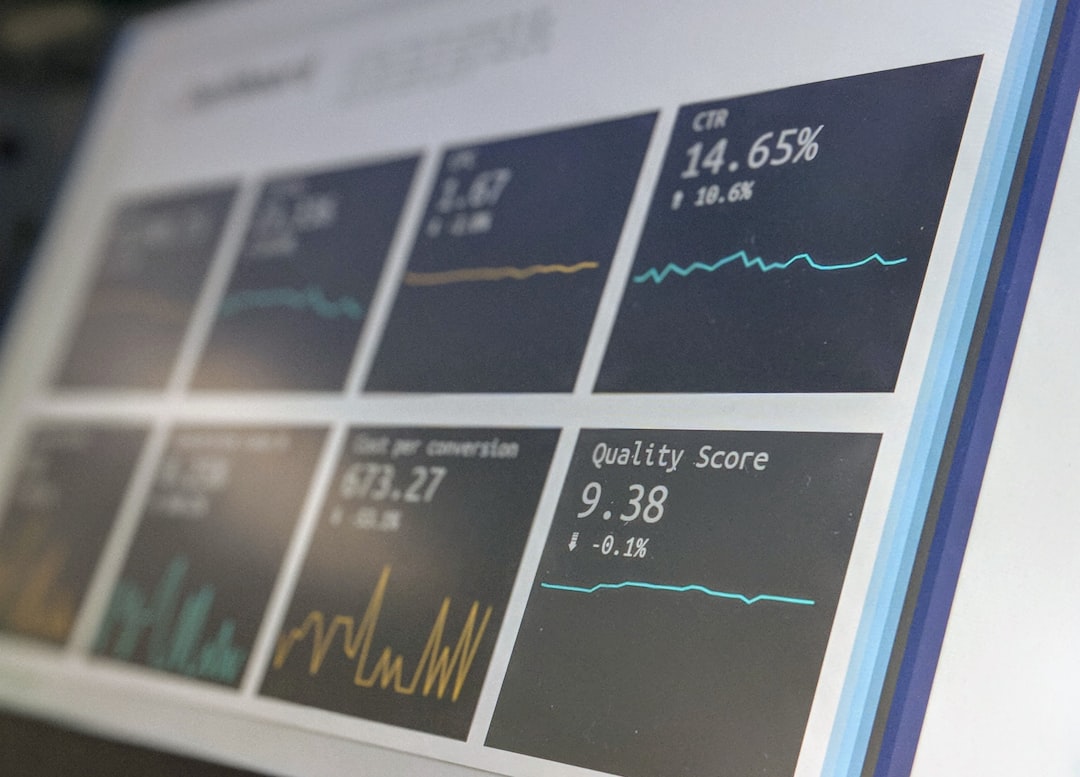 An energy audit can identify areas where a business can improve energy efficiency. By analysing energy usage patterns, companies can pinpoint inefficiencies and develop targeted strategies to address them.
Upgrade to Energy-Efficient Equipment
Investing in energy-efficient equipment can yield long-term savings. For example, replacing old lighting with LED lights or upgrading to energy-efficient HVAC systems can significantly reduce energy consumption.
Implement Energy Management Systems
Energy management systems (EMS) allow businesses to monitor and control their energy usage in real-time. Using data-driven insights, companies can optimise their energy consumption and reduce waste.
Green Technology and Solutions
In addition to energy efficiency measures, businesses can explore green technology and solutions to manage rising energy costs. These sustainable options lower energy bills and contribute to environmental goals.
An example of technology innovation is Coolnomix from Emissis. Coolnomix is a globally patented, innovative, retrofit, energy reduction device that reduces energy consumption and C02 emissions when installed on air conditioning (AC) and refrigeration equipment without affecting the performance or output of these units.
Solar Power
Solar power is a renewable energy source that can help businesses reduce reliance on traditional energy. Installing solar panels can provide a significant portion of a company’s energy needs, leading to lower energy bills and reduced carbon footprint.
Wind Energy
Wind energy is another viable option for businesses looking to go green. While the initial investment can be high, the long-term benefits include lower energy costs and a sustainable energy source.
Green Building Practices
Adopting green building practices such as using sustainable materials, improving insulation, and incorporating natural lighting, can enhance energy efficiency. Green buildings often have lower energy costs and are more comfortable for occupants.
Government Incentives and Support
The UK government offers various incentives and support programs to encourage businesses to adopt energy-efficient and green solutions. Understanding these options can help companies make informed decisions (see references for more information).
Grants and Loans
Several grants and loans are available to support businesses in their energy efficiency and renewable energy projects. These financial aids can help offset the initial costs of implementing green technologies.
Tax Incentives
Tax incentives, such as the Enhanced Capital Allowance (ECA) scheme, allow businesses to claim tax relief on investments in energy-efficient equipment, helping to reduce the overall cost of adopting new technologies.
Advisory Services
Government and non-profit organisations like Green Economy UK offer advisory services to help businesses navigate the complexities of energy efficiency and renewable energy projects. These services can provide valuable insights and support.
Case Studies of Successful Implementations
Looking at real-world examples can provide inspiration and practical insights for businesses considering energy efficiency and green solutions.
Case Study 1: Healthcare – NHS
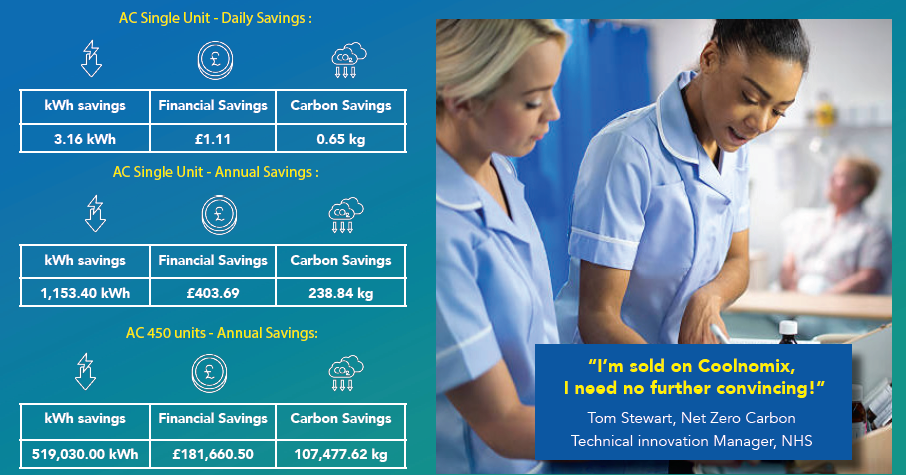 Air conditioning and refrigeration emissions account for over 25% of a hospital’s carbon emissions. After installing Coolnomix from Emissis, the NHS achieved significant energy savings of over 1,100 kWh per unit annually, reducing its carbon footprint. The team was highly satisfied with their environmentally conscious investment.
Case Study 2: Education – Greenwich University
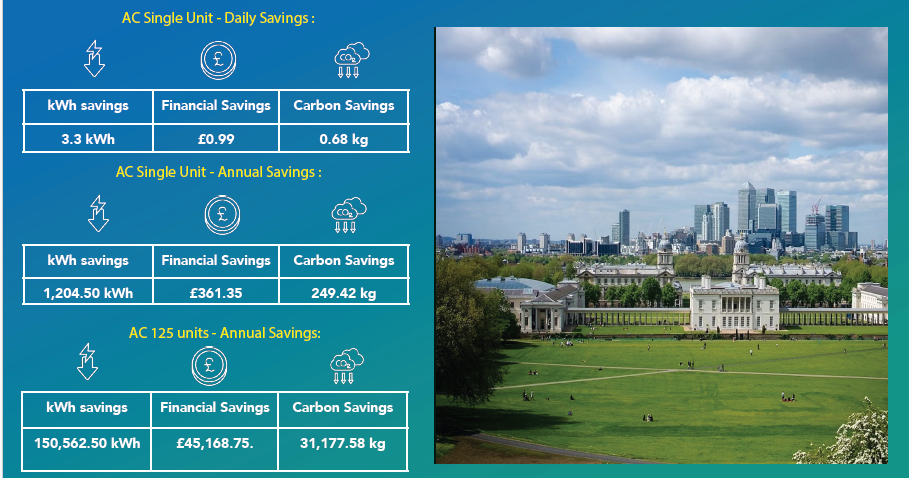 Following a successful pilot project, Greenwich University has committed to installing 124 Coolnomix energy-saving units across its air conditioning (AC) estate, which includes three campuses: Medway, Avery Hill & Bathway, and Greenwich.
The new Coolnomix units should reduce energy consumption by 23%, saving the University over 315,000 kWh in electricity overspending and over 85 tonnes of C02 by reducing the emissions from each campus site.
Case Study 3: Food Production – Harvey & Brockless
Coolnomix was a game-changer for Harvey & Brockless in their quest for sustainability. The impact has been profound, with the air conditioning units registering a remarkable drop in consumption by 670,000 kWh annually. This significant reduction reflects the company’s commitment to environmental responsibility and underscores Coolnomix’s effectiveness in optimising energy usage.
Conclusion
Rising energy costs are a significant challenge for UK businesses. However, by adopting energy efficiency solutions and green technologies, companies can mitigate these impacts and even turn them into opportunities for growth and sustainability. With government incentives and support, the transition to a more energy-efficient and environmentally friendly operation is more accessible than ever. By taking proactive steps, businesses can better manage their energy costs and contribute to a greener future.
Footnote:
Emissis is a leading energy and cleantech company that helps private and public sector businesses unlock the benefits of reducing carbon emissions and energy use.
To offer clients an end-to-end solution, Emissis recently joined forces with global decarbonisation leaders Univers. Their EnOS™ platform connects on-the-ground operational technology and in-the-cloud intelligence to deliver real-time energy data and data-driven carbon monitoring, reporting and abatement.
Refrigeration is a cornerstone of modern life. It’s vital for food preservation and medical applications and provides comfort in our homes and workplaces.
Yet, this essential technology has a hidden cost – it plays a significant role in global warming.
This is because refrigeration systems rely on chemicals known as refrigerants, many of which have a high Global Warming Potential (GWP).
The energy used in refrigeration often comes from fossil fuels, contributing to CO2 emissions and further exacerbating climate change.
In this article, we’ll explore the impact of refrigeration on global warming, the role of cooling technology, its relationship with food manufacturing, and its broader implications for our climate.
We will uncover the complex relationship between refrigeration and global warming and explore potential solutions for a more sustainable future.
The Essential Role of Refrigeration
Refrigeration is crucial for storage and transportation in industries like food manufacturing. It’s also indispensable in healthcare, especially for vaccine storage. Without refrigeration, many aspects of modern life would be impossible.
Refrigerants and Their Environmental Impact
Refrigeration relies heavily on chemicals known as refrigerants. These substances absorb and release heat, enabling cooling. However, many refrigerants have a high Global Warming Potential (GWP).
Hydrofluorocarbons (HFCs) are common refrigerants. They are potent greenhouse gases, contributing significantly to global warming. Leakage of these substances during maintenance or disposal is a primary environmental concern.
Here are some key facts about HFCs:
They can trap more heat in the atmosphere than carbon dioxide.
HFC emissions are increasing by about 10% per year.
They are expected to account for nearly 20% of all greenhouse gas emissions by 2050.
The environmental impact of refrigerants is a complex issue. It involves many stakeholders, from manufacturers to consumers, and requires international cooperation.
The Kigali Amendment and Global Efforts
The Kigali Amendment to the Montreal Protocol is a global effort to reduce HFC use. It aims to cut the production and consumption of these gases by more than 80% over the next 30 years. This could avoid up to 0.4°C of global warming by the end of the century.
However, implementing the Kigali Amendment requires significant changes in the refrigeration industry. It also needs the support of consumers and policymakers. The transition to more sustainable refrigerants is challenging but crucial for our planet’s future. (Regulations in the UK are commonly referred to The F Gas Register).
International cooperation is necessary to address this global challenge. It’s not just about reducing emissions but also about promoting sustainable development and protecting the most vulnerable from the impacts of climate change.

Innovations in Cooling Technology
Innovations in cooling technology are paving the way for more sustainable refrigeration. For instance, magnetic cooling is a promising technology that uses magnetic fields and magnetocaloric materials to achieve refrigeration. This technology is still in its early stages, but it could significantly reduce the environmental impact of cooling.
Another innovation is using natural refrigerants like ammonia, CO2, and hydrocarbons. These substances have a much lower Global Warming Potential (GWP) than traditional refrigerants. The challenge lies in making these technologies affordable and accessible to all.
Digital technologies are also improving refrigeration efficiency. Smart systems can monitor and optimise energy use, reducing costs and emissions. The future of refrigeration lies in harnessing these innovations to create effective and environmentally friendly systems.
Refrigeration in Food Manufacture and the Cold Chain
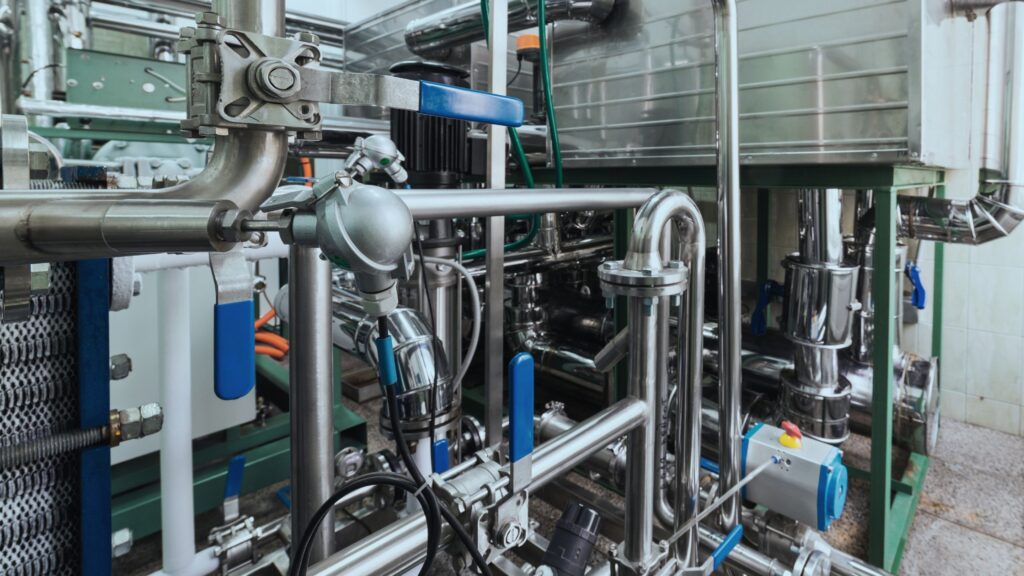
The food and beverage industry is the largest manufacturing sector in the UK, and food cold chains are energy-intensive and use high-GWP refrigerants.
Refrigeration plays a crucial role in food manufacturing and the cold chain. It allows for the storage and transport of perishable goods, reducing food waste and ensuring food safety. However, the energy-intensive nature of these processes contributes to global warming.
The food cold chain alone is responsible for a third of hydrofluorocarbon (HFC) emissions, or 1% of global greenhouse gas (GHG) emissions and food refrigeration is estimated to be responsible for 2–4% of the UK’s total GHG emissions Source: ScienceDirect.com
Innovations in refrigeration technology can help make the cold chain more sustainable. For instance, energy-efficient refrigeration systems and natural refrigerants can reduce the cold chain’s environmental impact.
Energy Consumption and Refrigeration
Refrigeration systems account for a substantial percentage of global electricity consumption. This energy often comes from fossil fuels, contributing to CO2 emissions and global warming.
Scope 1 and 2 GHG emissions related to food refrigeration in the UK were estimated to be 12.9 MtCO2e per annum over the period 2019, which represents 3.2% of the total UK annual territorial greenhouse gas emissions. Scope 2 emissions accounted for 50% of the emissions. International Journal of Refrigeration June 2023
Transitioning to renewable energy sources can mitigate refrigeration’s impact on global warming. Solar-powered refrigeration, for instance, offers a promising avenue for sustainable cooling technology.
Sustainable Refrigeration Practices
Sustainable practices in refrigeration are gaining traction. These include using natural refrigerants like ammonia, CO2, and hydrocarbons. These substances have a lower Global Warming Potential (GWP) than traditional refrigerants.
Proper disposal and recycling of refrigeration equipment are also crucial. This can prevent the leakage of harmful refrigerants into the atmosphere. Retrofitting existing systems with more sustainable options can be a cost-effective solution.
Innovations such as magnetic cooling offer the potential for greener refrigeration. This technology uses magnetic fields and magnetocaloric materials to achieve cooling, eliminating the need for refrigerants.
The Role of Policy and Consumer Choice

Policies and regulations play a significant role in promoting sustainable refrigeration. For instance, the Kigali Amendment to the Montreal Protocol aims to reduce the use of high-GWP refrigerants. Government subsidies and financial incentives can also encourage the adoption of energy-efficient refrigeration systems.
On the other hand, consumer choices can influence the market towards more eco-friendly options. Awareness and education are vital to changing consumer behaviour. Consumers can reduce their carbon footprint by choosing appliances with better energy ratings.
International cooperation is necessary to address the global challenge of refrigeration-related emissions. Collaboration between manufacturers, consumers, and governments is essential for progress.
The Future of Refrigeration
The future of refrigeration technology holds promise for reducing its impact on global warming. Innovations such as magnetic cooling and natural refrigerants are gaining popularity. These advancements offer the potential for greener refrigeration.
Adopting digital technologies for monitoring and optimising refrigeration systems can also improve efficiency. Retrofitting existing systems with more sustainable options can be a cost-effective solution.
Research and development play a crucial role in creating innovative refrigeration solutions. With continued efforts, the refrigeration industry can significantly reduce its contribution to global warming.
Conclusion and Call to Action
The impact of refrigeration on global warming is a complex issue involving many stakeholders, from manufacturers and consumers to policymakers. However, with concerted efforts, we can mitigate this impact.
Education and awareness are key to changing industry and consumer behaviour. We can all contribute by making informed choices about our refrigeration needs.
In conclusion, the challenge of refrigeration-related emissions is significant but not insurmountable. A cooler, more sustainable future is possible if we take action today.
Other articles in this series include: The environmental Impact of Food Manufacturing
Emissis has pioneered a powerful suite of globally patented, innovative energy reduction solutions that have been proven to reduce carbon solutions and reduce energy costs. More information is available upon request.
Climate change is an existential crisis with far-reaching consequences in various sectors, including the food industry. This industry is integral to human survival but is also a significant contributor to environmental degradation. With a rapidly expanding global population, the pressure to increase food production intensifies, threatening to exacerbate climate-related issues. This article delves into how climate change is reshaping the food industry and underscores the importance of transitioning to sustainable food production.
“Climate change poses an “existential threat” to life on Earth” Phys.org
The ramifications of climate change on the food industry are profound and multifaceted. Fluctuations in climate patterns lead to unpredictable growing seasons, which challenge traditional agricultural calendars and practices. These changes reduce crop yields and lead to the proliferation of pests and diseases, further endangering food security.
Climate change also exacerbates resource scarcity, making water an increasingly precious commodity. As droughts become more prevalent, competition for water resources intensifies, affecting the quantity and quality of food produced. This situation is particularly dire for regions already water-stressed, where farmers must decide which crops to prioritise and how to sustain their herds.
The adverse effects of climate change do not affect all farmers equally. Small-scale and subsistence farmers are especially vulnerable to the whims of the climate. Many of these farmers lack the resources or insurance to recover from crop losses or damage to their property caused by extreme weather events. The resulting economic instability can increase poverty and hunger, further exacerbating social and economic disparities.
Moreover, as climate change disrupts traditional farming practices, there is an urgent need to support farmers in adopting more resilient agricultural methods. Support can include access to education, resources, and technology to help them adapt to the changing environment.
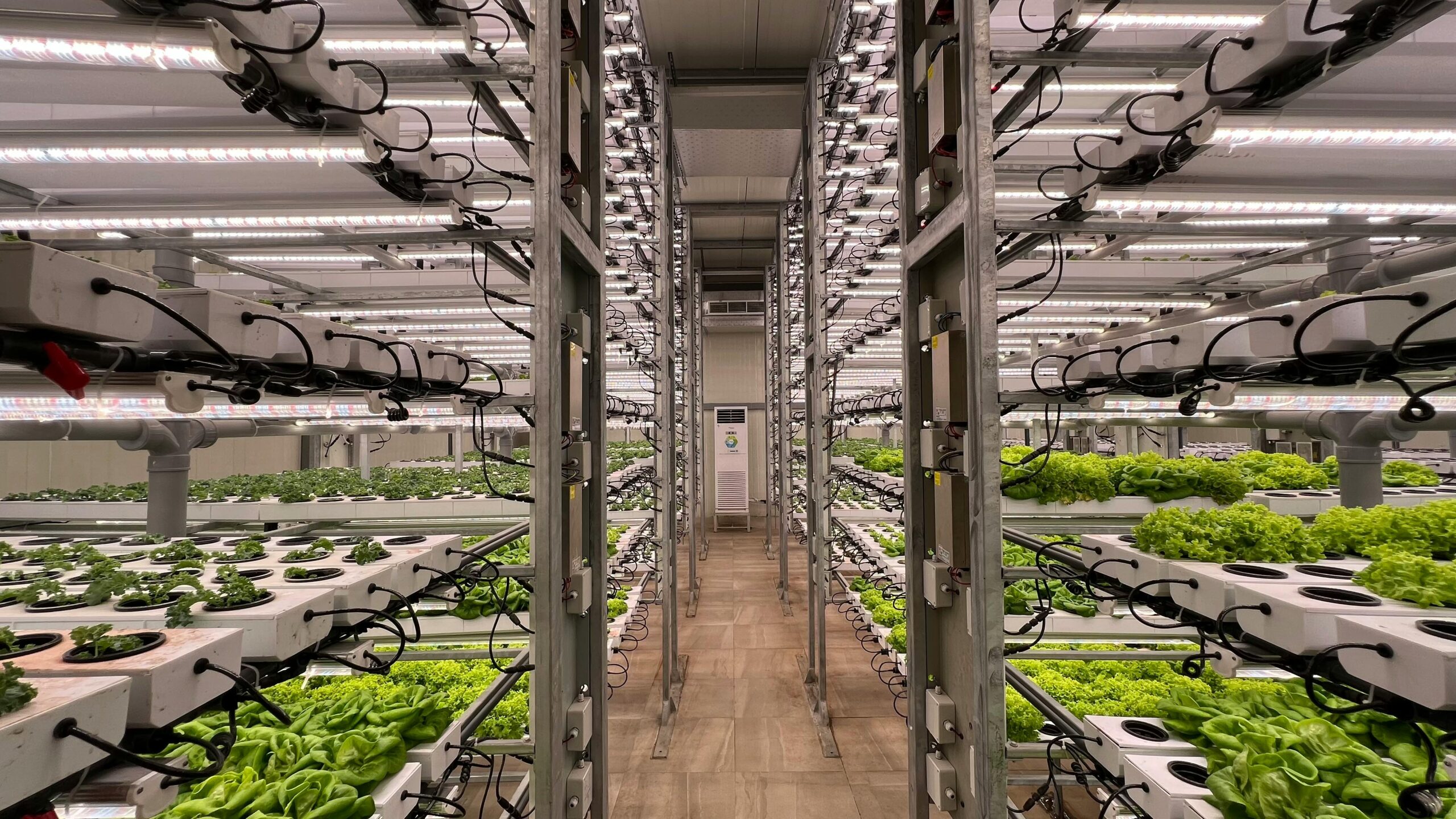
The industrialised food system and its reliance on synthetic fertilisers, pesticides, and fossil fuels are unsustainable and a significant contributor to climate change. Modern agriculture, from farm machinery to food processing and distribution, is energy-intensive and produces substantial greenhouse gas emissions. To mitigate the industry’s impact on the planet, we must completely rethink how we produce and consume food.
The globalisation of the food industry has led to a system where the average meal travels thousands of miles from farm to plate, contributing to a significant carbon footprint. By prioritising locally grown food, we can reduce emissions associated with transportation and provide consumers with fresher, more nutritious options.
Local food systems are inherently more agile and can quickly adapt to changing local conditions, which is paramount in the face of climate instability. These systems also encourage the preservation of local varieties and farming techniques, which can improve the local environment. We can ensure a more personalised and secure food supply chain by fostering local food economies.

Challenges Facing UK Food Retailers
In 2008, the United Kingdom passed a pivotal legislation called the Climate Change Act. This ground-breaking act mandated that the UK reduce greenhouse gas emissions by at least 80% by 2050 compared to 1990. The implications of this act are far-reaching, particularly for industries like food retail that traditionally have a significant carbon footprint.
The term “carbon footprint” refers to the total greenhouse gas emissions caused by an individual, event, organisation, service, or product, expressed as carbon dioxide equivalent.
The Climate Change Act has catalysed change within the UK food retail sector, spurring a shift towards sustainability that benefits the environment.
To meet the stringent requirements, UK retailers have had to re-evaluate and take action to reduce emissions from their operations, from energy and refrigerants in their supermarkets to fuel used in transportation (Scope 1 and 2 emissions); these are significant but controllable sources of greenhouse gas emissions from the food system.
As the deadlines set by the act approach, UK food retailers need to continue to innovate and integrate sustainable practices into every aspect of their operations. This means reducing emissions arising from their entire value chain (Scope 3 emissions), the upstream supply chain, and downstream activities, such as the use and disposal phases, beyond the direct and energy emissions covered within Scopes 1 and 2. Scope 3 emissions are usually retailers’ most significant source of greenhouse gas emissions.
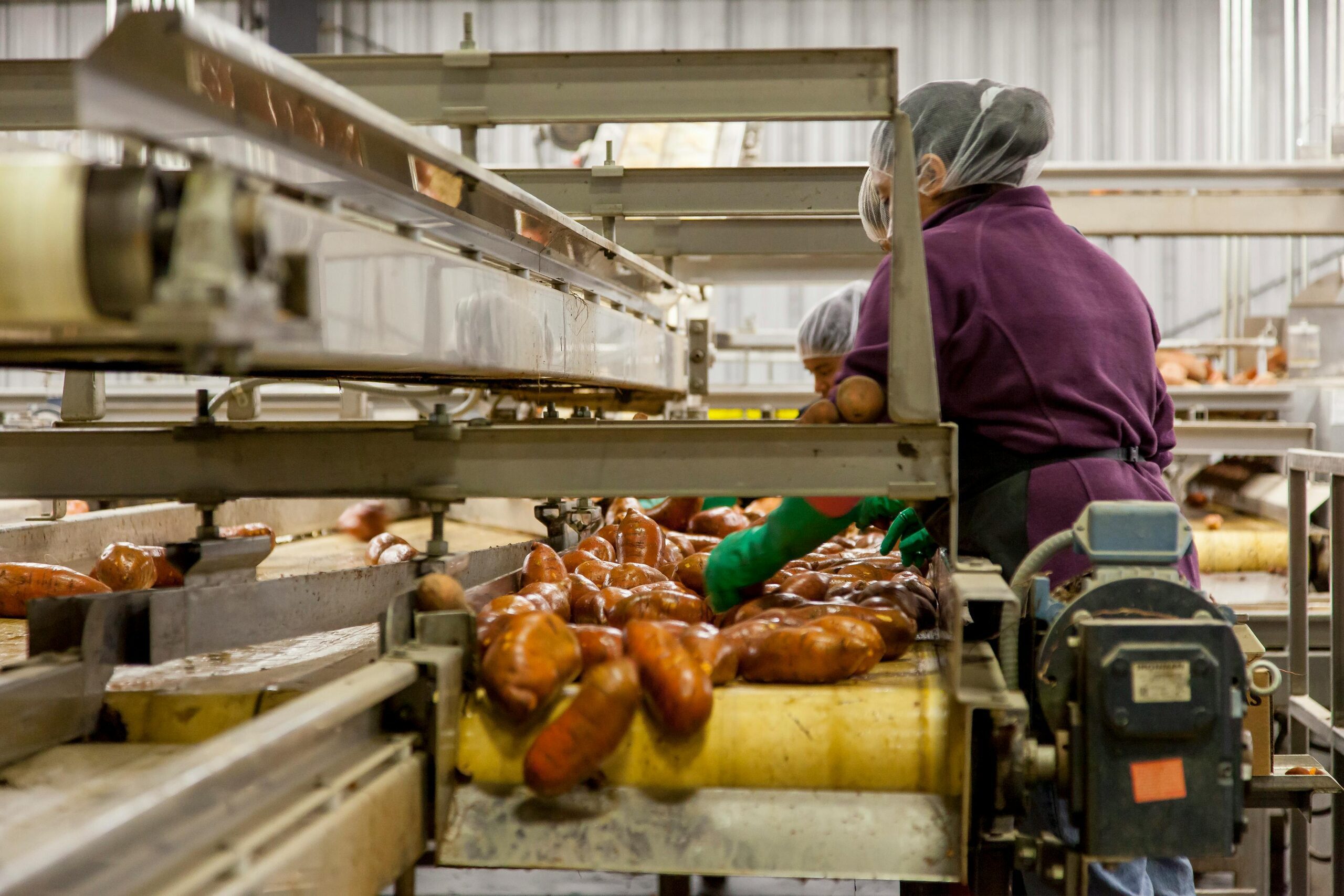
Energy consumption in food manufacturing significantly impacts water usage and pollution. Water is essential for various processes in the industry, including cleaning, cooking, and ingredient preparation. However, excessive water uses, and inefficient water management practices can lead to water scarcity and pollution.
Food manufacturing often requires large amounts of water, particularly for cleaning and sanitation. Inadequate water conservation practices can result in excessive water consumption and strain local water resources. Moreover, the improper disposal of wastewater can lead to water pollution, contaminating rivers, lakes, and groundwater sources.
Food manufacturers can implement water-saving measures to address these issues, such as recycling and reusing water, optimising cleaning processes, and investing in water-efficient technologies. Proper wastewater treatment and disposal systems can also help minimise water pollution and protect the environment.
The WWF Basket tracks a range of climate data submitted by food retailers, including Scope 1, 2 and 3 emissions.
In 2022, Co-Op, M&S, Sainsbury’s, Tesco and Waitrose signed a new commitment to drive action to tackle scope 3 emissions through their supply chains. Find out more about WWF’s Retailers Commitment for Nature – Climate Action here.
Greener Practices for Food Retailers
There are a number of green initiatives that can be adopted by retailers to lessen their carbon footprint. These include:
Energy Efficiency: Investment in energy-efficient lighting, refrigeration, heating and air conditioning systems to reduce power consumption.
Waste Reduction: Minimising food waste through better inventory management and donating unsold but edible food to charities.
Sustainable Sourcing: Sourcing products from suppliers that practice sustainable farming and production methods.
Recycling Programs: Improving recycling facilities and encouraging customers to recycle packaging materials.
More information can be found in our article The Environmental Impact Of Energy Consumption In Food Manufacturing
Advantages of Adopting Greener Practices
Aside from meeting legislative requirements, there are several advantages for food retailers to adopt green practices:
Customer Loyalty: Consumers are becoming increasingly environmentally conscious, and retailers that demonstrate a commitment to sustainability can build customer loyalty.
Cost Savings: Energy-efficient technologies can lead to significant cost savings in the long term.
Brand Image: Being recognised as an environmentally responsible business can enhance a retailer’s brand image and competitive edge.

Sustainable Practices in Energy Consumption
Food producers can minimise their energy wastage during production and the manufacturing process by investing in energy-efficient technologies and equipment, including energy-efficient lighting, motors, and heating and cooling systems.
Furthermore, food manufacturers can explore renewable energy sources, such as solar and wind power, to meet their energy needs.
Investing in renewable energy infrastructure reduces greenhouse gas emissions, helps diversify the energy mix, and enhances energy security.
Additionally, implementing energy management systems and conducting regular energy audits can help identify areas for improvement and optimise energy usage.
By adopting sustainable energy-consumption practices, food manufacturers can significantly reduce their environmental footprint, contribute to a more sustainable future, and help the UK achieve its 2050 net-zero targets.
Harvey & Brockless, renowned producers and distributors of speciality foods, has taken steps towards a more sustainable future and adopted new energy-saving technology, Coolnomix, to help reduce carbon emissions and costs.
Food Chain Technology Innovations
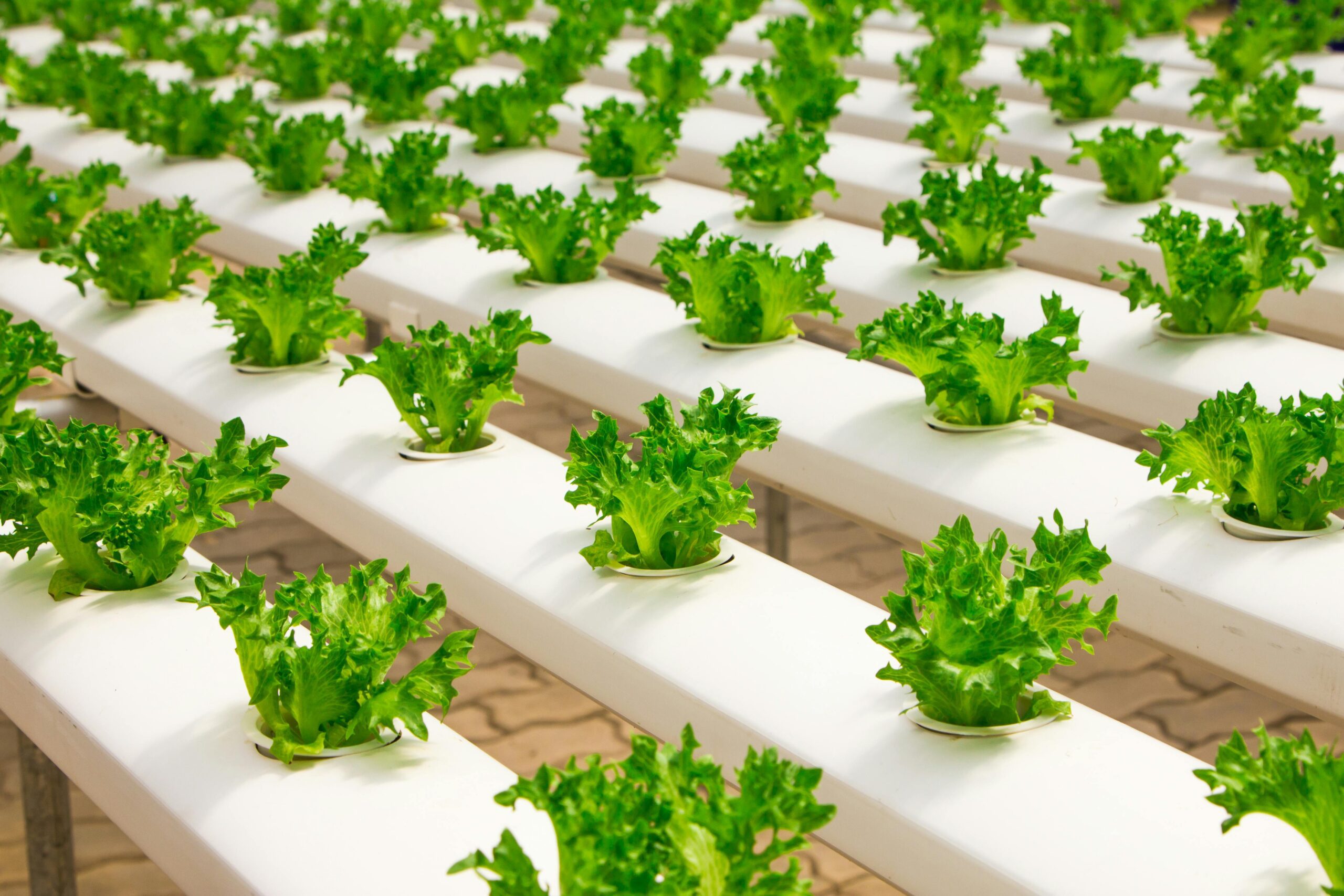
Technology facilitates the development of alternative food sources, such as lab-grown meat and vertical farming, which could dramatically reduce the ecological footprint of food production. These innovations have the potential to provide sustainable protein sources and fresh produce even in urban environments, thereby reducing the need for extensive land use and long-distance transportation.
Technology also empowers consumers to make informed decisions about their food. Through apps and online platforms, individuals can trace the origin of their food, learn about the farming practices used, and understand the environmental impact of their dietary choices. By providing transparency and information, technology bridges the gap between consumers and producers, fostering accountability and encouraging more sustainable consumption patterns.
Social media and digital marketing have given rise to a new wave of consumer activism, where individuals can advocate for sustainable food practices and influence industry trends. As consumers become more vocal and connected, their collective choices can drive significant change in the food industry, pushing it towards more environmentally friendly and ethical practices.
Conclusion
Since the Climate Change Act set out the target of reducing greenhouse gas emissions by 80% by 2050, the cost of electricity has risen from 5.37 pence per kW in 1990 to 10.72 pence in 2020, placing additional pressure on food retailers.
Climate change poses a significant threat to our food system. Still, technological advancements, new tools, and insights are now available to help retailers achieve Scope 3, reduce energy costs, and forge a sustainable food system for all.
Additional References:
Climate Change and Food Supply
A review of the effects of climate change on food within the remit of the Food Standards Agency
Latest News
The Role of Energy Consumption in Food Manufacturing
“The current energy consumption in agri-food systems is unsustainable in the long term. The food industry is currently consuming 30% of the world’s available energy, with more than 70% occurring beyond the farm gate, and produces over 20% of the world’s greenhouse gas emissions (around 31% if land-use change is included).” Source Food and Agriculture of the United Nations.
The food processing industry is reliant on energy for heating, cooling, and electricity as our food moves through the supply chain, consuming around 30% of the world’s available energy.
Food production requires a significant amount of energy primarily sourced from fossil fuels, which significantly contributes to Greenhouse gas emissions. In the UK, the food processing industry is the largest single manufacturing sector and the fourth largest industrial energy user.
Greenhouse Gas Emissions and Climate Change
The 2008 Climate Act committed the UK to reducing its greenhouse gas emissions by 80% by 2050 compared to 1990 levels. In June 2019, this was strengthened, committing the UK to bring all greenhouse gas emissions to net zero by 2050.
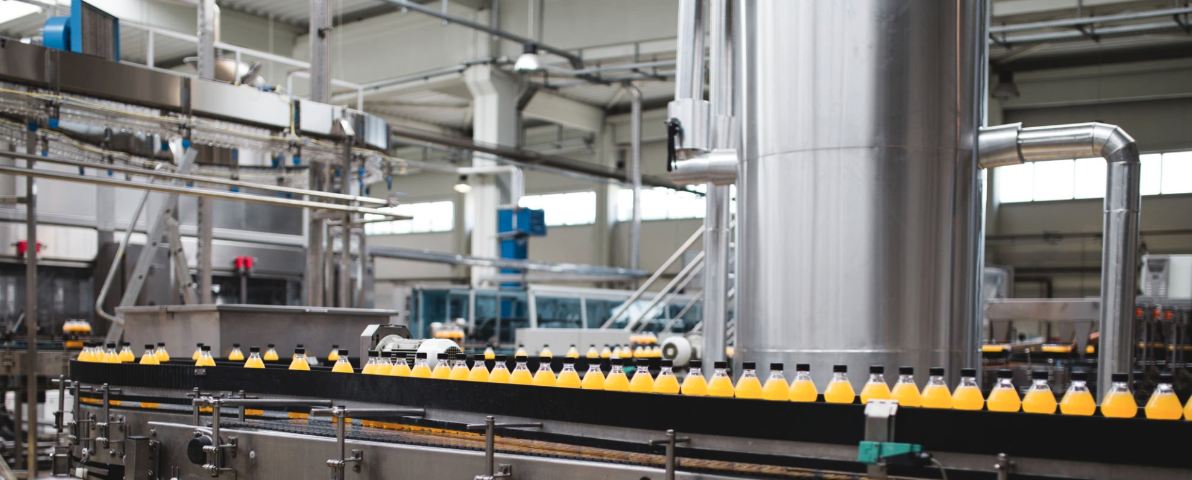
Energy consumption in food manufacturing significantly contributes to greenhouse gas emissions and climate change. Burning fossil fuels releases carbon dioxide (CO2) and other greenhouse gases into the atmosphere. These gases trap heat, leading to global warming and climate change.
There are things that food manufacturers can do to mitigate the impact of greenhouse gas emissions, such as adopting energy-efficient technologies, investing in renewable energy sources, and implementing carbon reduction strategies. These actions will help to reduce the industry’s carbon footprint.
To combat environmental pollution and create a more sustainable food sector, we need to explore how energy usage during the food manufacturing process can be reduced.
Water Usage and Pollution
Energy consumption in food manufacturing significantly impacts water usage and pollution. Water is essential for various processes in the industry, including cleaning, cooking, and ingredient preparation. However, excessive water uses, and inefficient water management practices can lead to water scarcity and pollution.
Food manufacturing often requires large amounts of water, particularly for cleaning and sanitation. Inadequate water conservation practices can result in excessive water consumption and strain local water resources. Moreover, the improper disposal of wastewater can lead to water pollution, contaminating rivers, lakes, and groundwater sources.
Food manufacturers can implement water-saving measures to address these issues, such as recycling and reusing water, optimising cleaning processes, and investing in water-efficient technologies. Proper wastewater treatment and disposal systems can also help minimise water pollution and protect the environment.

Waste Generation and Management
Energy consumption in food manufacturing is also closely linked to waste generation and management. The production and processing of food often result in the generation of various types of waste, including organic waste, packaging materials, and by-products.
Improper waste management practices can have adverse environmental impacts. Organic waste, if not correctly handled, can release methane, a potent greenhouse gas, during decomposition. Packaging materials like plastics contribute to pollution and threaten ecosystems and wildlife. By-products, such as food scraps and manufacturing residues, can also lead to pollution if not managed effectively.
Food manufacturers can adopt waste reduction strategies to address these challenges, such as implementing recycling programs, reducing packaging waste, and finding alternative uses for by-products. Implementing efficient waste management systems, including composting and anaerobic digestion, can help minimise the environmental impact of waste generated in the food manufacturing industry.
Refrigeration
The high energy demand in food manufacturing is largely due to the need for food preservation, packaging, and transportation.
These processes often involve refrigeration, which requires a substantial amount of energy. This reliance on energy-intensive processes in food manufacturing contributes significantly to the industry’s overall environmental impact.
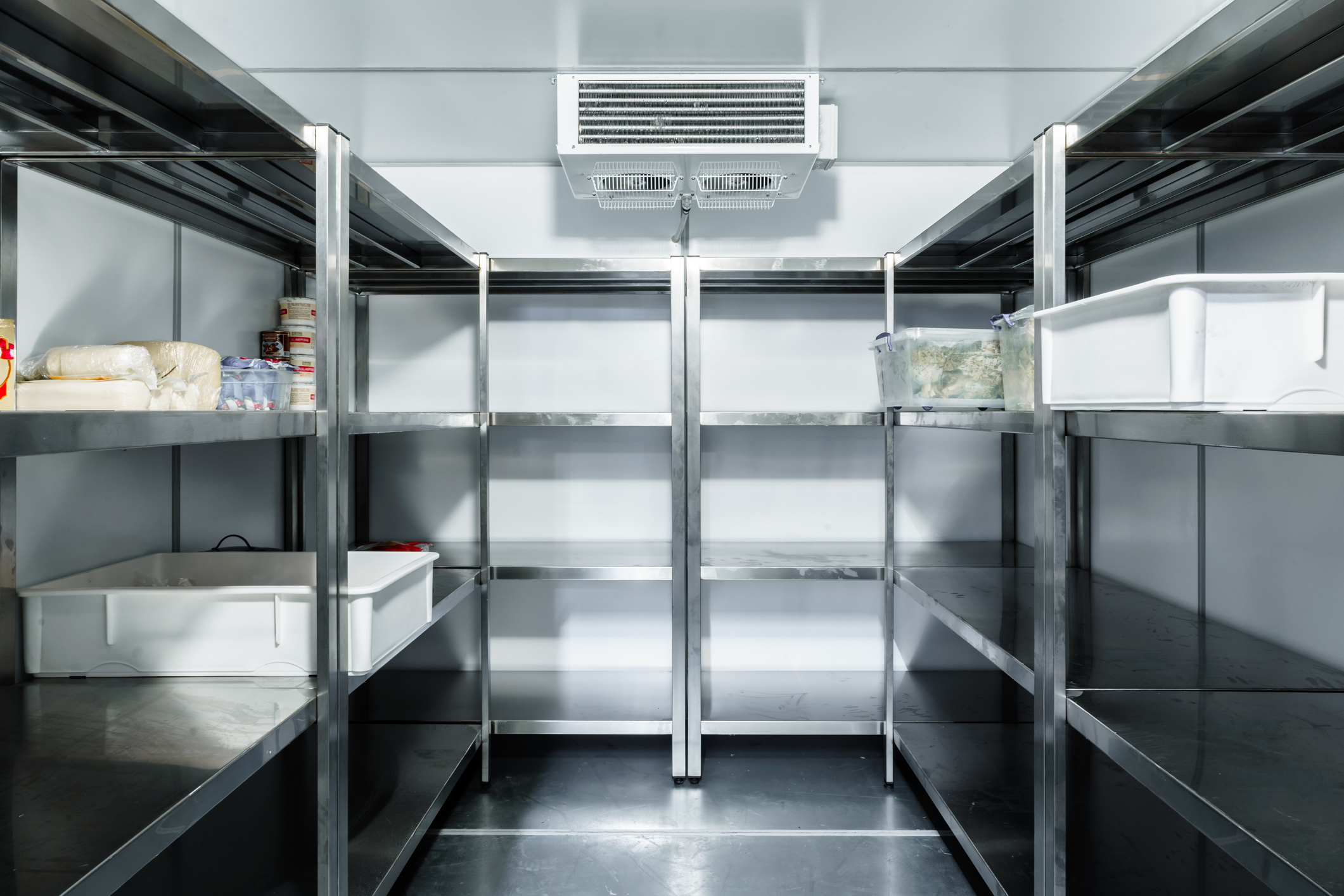
Refrigeration plays a vital role in ensuring food safety in the food industry. By keeping food at low temperatures, refrigeration helps to prevent the growth of harmful bacteria and other microorganisms that can cause foodborne illnesses It slows down the spoilage rate, preserving food products’ quality, freshness, and shelf life.
Refrigeration is also essential for the efficient distribution of food products, allowing the safe transportation and storage of perishable goods over long distances without compromising freshness and quality.
Efficient distribution facilitated by refrigeration also helps to reduce food waste and minimise the risk of product recalls due to spoilage or contamination. It allows for a smooth and reliable supply chain, ensuring consumers can access various fresh, high-quality food products.
But refrigeration at a large scale does come at a financial cost to food manufacturers and our environment.
Sustainable Practices in Energy Consumption
Food producers can minimise their energy wastage during production and the manufacturing process by investing in energy-efficient technologies and equipment, including energy-efficient lighting, motors, and heating and cooling systems.
Furthermore, food manufacturers can explore renewable energy sources, such as solar and wind power, to meet their energy needs.
Investing in renewable energy infrastructure reduces greenhouse gas emissions, helps diversify the energy mix, and enhances energy security.
Additionally, implementing energy management systems and conducting regular energy audits can help identify areas for improvement and optimise energy usage.
By adopting sustainable energy-consumption practices, food manufacturers can significantly reduce their environmental footprint, contribute to a more sustainable future, and help the UK achieve its 2050 net-zero targets.
Harvey & Brockless, renowned producers and distributors of speciality foods, has taken steps towards a more sustainable future and adopted new energy-saving technology, Coolnomix, to help reduce carbon emissions and costs.

Developed by Emissis, Coolnomix is a ground-breaking energy-saving technology that can reduce kWh consumption by up to 40%, making it ideal for food producers that rely on AC and refrigeration equipment as part of their manufacturing process.
If you want to find out how Emissis can help you reduce your energy consumption and costs, please get in touch.
Latest News
Recently, our world has witnessed a concerning rise in temperatures, sparking worries about the intersection of global warming and the increasing demand for air conditioning.
In this article, we examine the effect of air conditioning on climate change and explore how measuring energy useage and adopting technical innovations can help keep us cool without damaging the planet.
“The warmer it gets, the more we use air conditioning. The more we use air conditioning, the warmer it gets. Is there any way out of this trap?” The Guardian

The effects of Air Conditioning on climate change
Air conditioning units have mostly stayed the same since their invention in 1931. Their power consumption exceeds that of most appliances, significantly damaging our power grid, particularly in the summer months.
As world temperatures rise, there is an increasing demand for air conditioning, but cooling significantly contributes to global warming. Much of the existing cooling equipment uses hydrofluorocarbon refrigerants, which are potent greenhouse gases and use a lot of energy, making them a double burden on climate change.
So, while air conditioning helps to make the inside cooler, it also makes the outside warmer through increased emissions, heating up the planet.
“Growing demand for air conditioners is one of the most critical blind spots in today’s energy debate.” IEA.
Demand for air conditioning units surge
The International Energy Agency (IEA) predicts a substantial increase in the number of global air conditioning units, potentially reaching 5.6 billion (two-thirds of the world’s households having air conditioning) by 2050. This surge in cooling demand comes with environmental consequences, with predictions suggesting that space cooling could contribute up to 13% of global greenhouse gas emissions by 2050, producing 2 billion tonnes of CO2 a year.
Despite these challenges, the IEA offers hope, outlining strategies to enhance cooling efficiency, adopt eco-friendly refrigerants, and integrate renewable energy sources.
As temperatures soar and the anticipation of a surge in global air conditioning units looms, the IEA encourages us to investigate new innovative technology that will help us strike a delicate balance between comfort and environmental responsibility.
Measures to reduce your energy usage
An energy audit will help you understand your current energy usage. It will also identify any energy-saving opportunities such as optimising your buildings and checking your air conditioning controls for efficiency, reducing energy wastage.
Adopting new technologies like our innovative solution, Coolnomix, can also help. It has been specially designed to mitigate the environmental impact of air conditioning without compromising performance and can reduce your energy consumption by up to 40%.
Beyond energy savings, Coolnomix promises a swift return on investment, improved temperature stability, and enhanced air quality and stands as a testament to the possibility of seamlessly combining sustainability and comfort.
Get in touch for more information on Coolnomix
Useful Resources: UNFCCC HFCS, REFRIGERATION AND AIR-CONDITIONING: MINIMISING CLIMATE IMPACT, MAXIMISING SAFETY
Latest News
As the global focus on sustainability intensifies, businesses are actively seeking ways to reduce their environmental impact. Here are ten practical tips designed for offices, emphasising the adoption of sustainable practices and a greener workplace.
- Embrace Renewable Energy: Consider transitioning your office to renewable energy sources, such as solar or wind power, to significantly reduce your carbon footprint.
- Optimise Energy Usage: Creating a sustainable workplace involves implementing systems for regulated and optimised energy consumption, ensuring efficiency, reducing waste, and lowering operational costs. As a leader in sustainable solutions, Emissis has successfully provided Voltage Optimisation (VO) to numerous offices, effectively reducing carbon emissions and enhancing energy efficiency.
- Prioritise Sustainable Procurement: Develop a sustainable procurement policy that prioritises energy-efficient office equipment. Integrate innovative solutions into your purchasing decisions, creating a unified strategy for energy conservation.
- Choose Responsible Paper Sourcing: Demonstrate commitment to sustainable sourcing by opting for deforestation-free paper. This establishes an environmentally conscious workplace.
- Set Reduction Targets with Data: Utilise data from energy management systems to measure your office’s energy consumption accurately. Establish ambitious reduction targets, focusing on minimising energy wastage.
- Reduce Single-Use Plastics: Reduce single-use plastics across your office. Minimise energy usage, fostering a holistic and sustainable approach.
- Showcase Environmental Commitment: Seek certifications to showcase your organisation’s dedication to sustainable practices. Highlight your commitment to environmental responsibility within your operations.
- Adopt a Life-Cycle Approach: Choose products built to last and adopt a life-cycle thinking approach when selecting office equipment—Maximise device longevity to contribute to a sustainable office environment.
- Embrace Digital Processes: Encourage a digital-first approach to reduce paper consumption—leverage technology to streamline digital processes, minimising environmental impact.
- Offset Carbon Footprint Responsibly: Offset unavoidable carbon emissions by investing in certified projects. Showcase a holistic commitment to sustainability.

In your journey towards a sustainable office, explore Emissis’s comprehensive solutions, including Voltage Optimisation and Coolnomix. These offerings are designed to enhance energy efficiency and contribute to a greener workspace. Emissis remains at the forefront of providing practical and effective solutions, leading the way toward a sustainable future for offices worldwide.