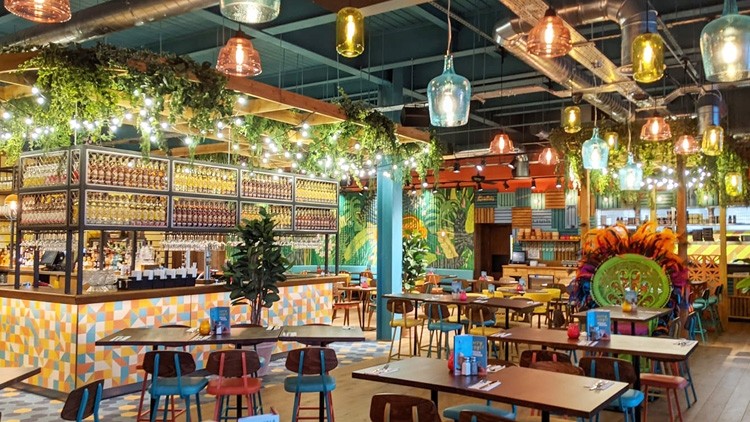
Climate change is an existential crisis with far-reaching consequences in various sectors, including the food industry. This industry is integral to human survival but is also a significant contributor to environmental degradation. With a rapidly expanding global population, the pressure to increase food production intensifies, threatening to exacerbate climate-related issues. This article delves into how climate change is reshaping the food industry and underscores the importance of transitioning to sustainable food production.
“Climate change poses an “existential threat” to life on Earth” Phys.org
The ramifications of climate change on the food industry are profound and multifaceted. Fluctuations in climate patterns lead to unpredictable growing seasons, which challenge traditional agricultural calendars and practices. These changes reduce crop yields and lead to the proliferation of pests and diseases, further endangering food security.
Climate change also exacerbates resource scarcity, making water an increasingly precious commodity. As droughts become more prevalent, competition for water resources intensifies, affecting the quantity and quality of food produced. This situation is particularly dire for regions already water-stressed, where farmers must decide which crops to prioritise and how to sustain their herds.
The adverse effects of climate change do not affect all farmers equally. Small-scale and subsistence farmers are especially vulnerable to the whims of the climate. Many of these farmers lack the resources or insurance to recover from crop losses or damage to their property caused by extreme weather events. The resulting economic instability can increase poverty and hunger, further exacerbating social and economic disparities.
Moreover, as climate change disrupts traditional farming practices, there is an urgent need to support farmers in adopting more resilient agricultural methods. Support can include access to education, resources, and technology to help them adapt to the changing environment.
The industrialised food system and its reliance on synthetic fertilisers, pesticides, and fossil fuels are unsustainable and a significant contributor to climate change. Modern agriculture, from farm machinery to food processing and distribution, is energy-intensive and produces substantial greenhouse gas emissions. To mitigate the industry’s impact on the planet, we must completely rethink how we produce and consume food.
The globalisation of the food industry has led to a system where the average meal travels thousands of miles from farm to plate, contributing to a significant carbon footprint. By prioritising locally grown food, we can reduce emissions associated with transportation and provide consumers with fresher, more nutritious options.
Local food systems are inherently more agile and can quickly adapt to changing local conditions, which is paramount in the face of climate instability. These systems also encourage the preservation of local varieties and farming techniques, which can improve the local environment. We can ensure a more personalised and secure food supply chain by fostering local food economies.

Challenges Facing UK Food Retailers
In 2008, the United Kingdom passed a pivotal legislation called the Climate Change Act. This ground-breaking act mandated that the UK reduce greenhouse gas emissions by at least 80% by 2050 compared to 1990. The implications of this act are far-reaching, particularly for industries like food retail that traditionally have a significant carbon footprint.
The term “carbon footprint” refers to the total greenhouse gas emissions caused by an individual, event, organisation, service, or product, expressed as carbon dioxide equivalent.
The Climate Change Act has catalysed change within the UK food retail sector, spurring a shift towards sustainability that benefits the environment.
To meet the stringent requirements, UK retailers have had to re-evaluate and take action to reduce emissions from their operations, from energy and refrigerants in their supermarkets to fuel used in transportation (Scope 1 and 2 emissions); these are significant but controllable sources of greenhouse gas emissions from the food system.
As the deadlines set by the act approach, UK food retailers need to continue to innovate and integrate sustainable practices into every aspect of their operations. This means reducing emissions arising from their entire value chain (Scope 3 emissions), the upstream supply chain, and downstream activities, such as the use and disposal phases, beyond the direct and energy emissions covered within Scopes 1 and 2. Scope 3 emissions are usually retailers’ most significant source of greenhouse gas emissions.
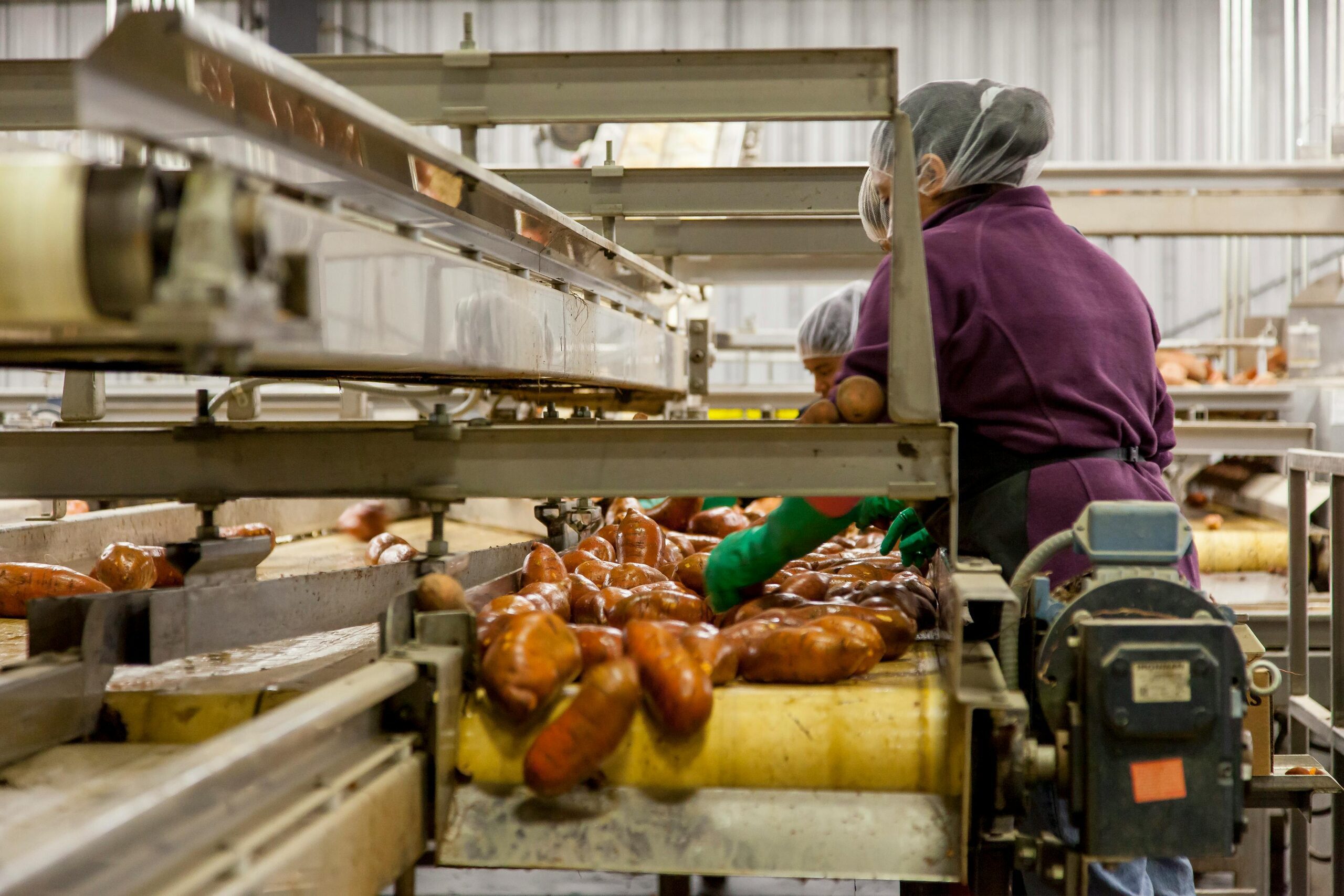
Energy consumption in food manufacturing significantly impacts water usage and pollution. Water is essential for various processes in the industry, including cleaning, cooking, and ingredient preparation. However, excessive water uses, and inefficient water management practices can lead to water scarcity and pollution.
Food manufacturing often requires large amounts of water, particularly for cleaning and sanitation. Inadequate water conservation practices can result in excessive water consumption and strain local water resources. Moreover, the improper disposal of wastewater can lead to water pollution, contaminating rivers, lakes, and groundwater sources.
Food manufacturers can implement water-saving measures to address these issues, such as recycling and reusing water, optimising cleaning processes, and investing in water-efficient technologies. Proper wastewater treatment and disposal systems can also help minimise water pollution and protect the environment.
The WWF Basket tracks a range of climate data submitted by food retailers, including Scope 1, 2 and 3 emissions.
In 2022, Co-Op, M&S, Sainsbury’s, Tesco and Waitrose signed a new commitment to drive action to tackle scope 3 emissions through their supply chains. Find out more about WWF’s Retailers Commitment for Nature – Climate Action here.
Greener Practices for Food Retailers
There are a number of green initiatives that can be adopted by retailers to lessen their carbon footprint. These include:
Energy Efficiency: Investment in energy-efficient lighting, refrigeration, heating and air conditioning systems to reduce power consumption.
Waste Reduction: Minimising food waste through better inventory management and donating unsold but edible food to charities.
Sustainable Sourcing: Sourcing products from suppliers that practice sustainable farming and production methods.
Recycling Programs: Improving recycling facilities and encouraging customers to recycle packaging materials.
More information can be found in our article The Environmental Impact Of Energy Consumption In Food Manufacturing
Advantages of Adopting Greener Practices
Aside from meeting legislative requirements, there are several advantages for food retailers to adopt green practices:
Customer Loyalty: Consumers are becoming increasingly environmentally conscious, and retailers that demonstrate a commitment to sustainability can build customer loyalty.
Cost Savings: Energy-efficient technologies can lead to significant cost savings in the long term.
Brand Image: Being recognised as an environmentally responsible business can enhance a retailer’s brand image and competitive edge.

Sustainable Practices in Energy Consumption
Food producers can minimise their energy wastage during production and the manufacturing process by investing in energy-efficient technologies and equipment, including energy-efficient lighting, motors, and heating and cooling systems.
Furthermore, food manufacturers can explore renewable energy sources, such as solar and wind power, to meet their energy needs.
Investing in renewable energy infrastructure reduces greenhouse gas emissions, helps diversify the energy mix, and enhances energy security.
Additionally, implementing energy management systems and conducting regular energy audits can help identify areas for improvement and optimise energy usage.
By adopting sustainable energy-consumption practices, food manufacturers can significantly reduce their environmental footprint, contribute to a more sustainable future, and help the UK achieve its 2050 net-zero targets.
Harvey & Brockless, renowned producers and distributors of speciality foods, has taken steps towards a more sustainable future and adopted new energy-saving technology, Coolnomix, to help reduce carbon emissions and costs.
Food Chain Technology Innovations
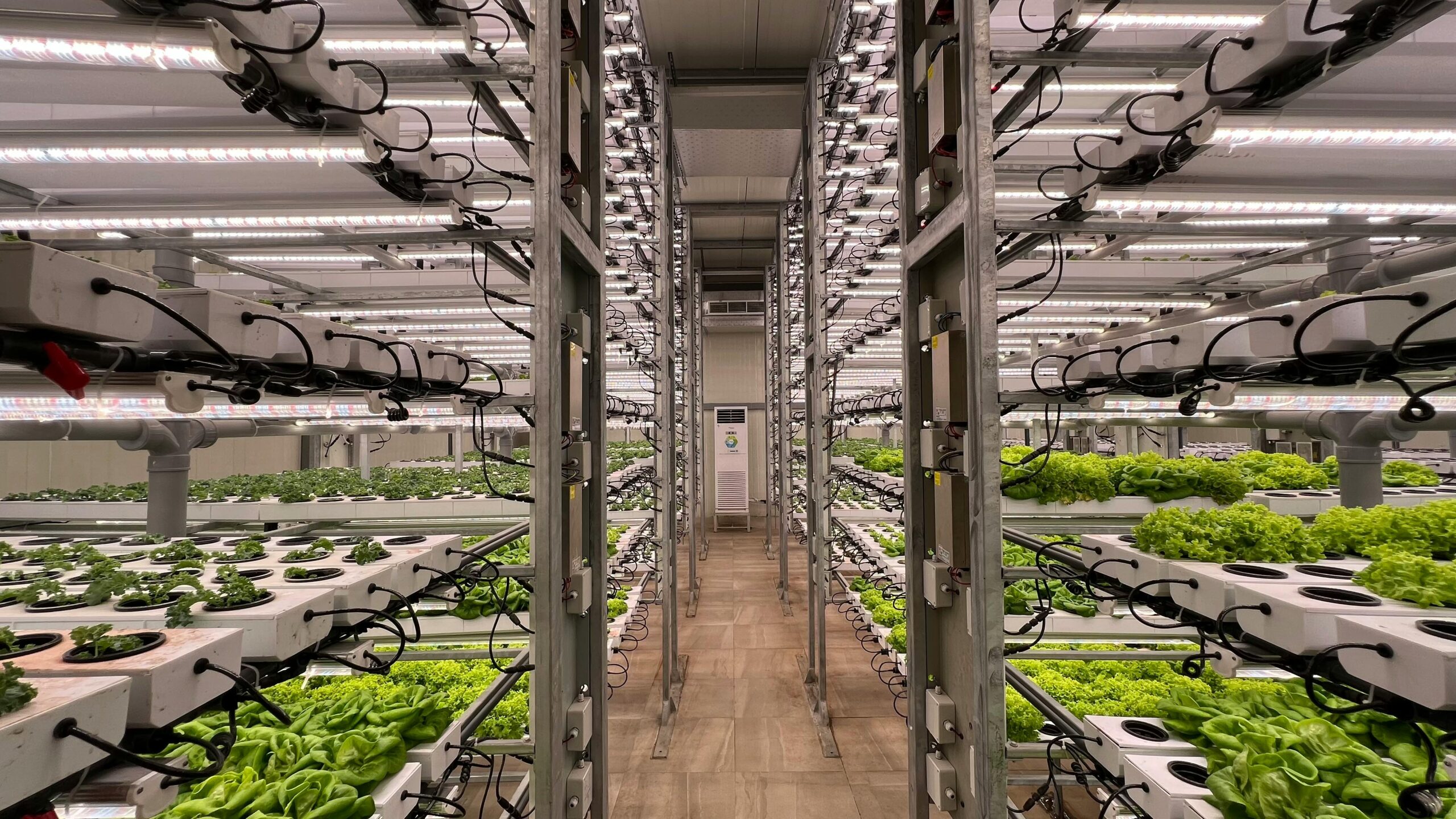
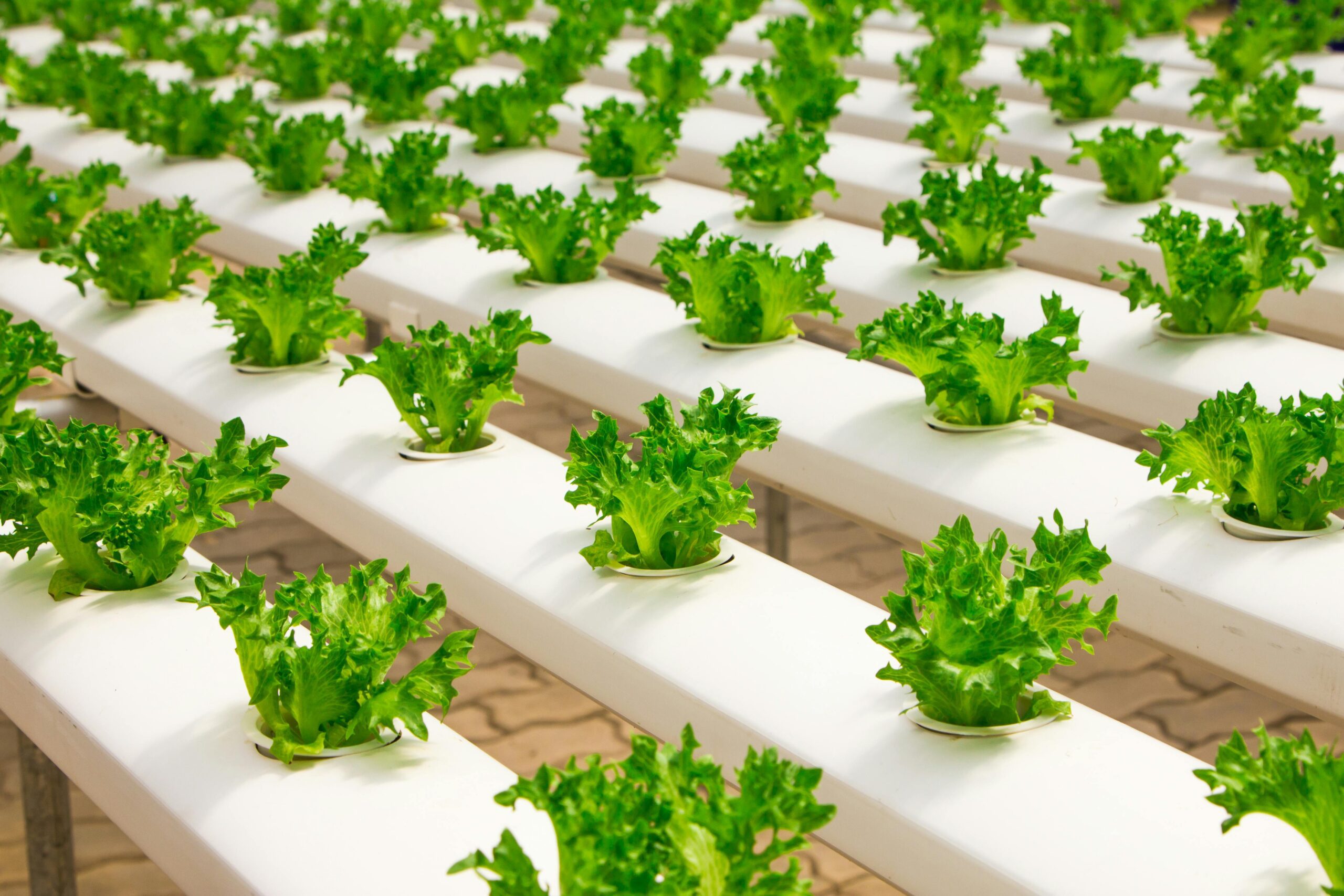
Technology facilitates the development of alternative food sources, such as lab-grown meat and vertical farming, which could dramatically reduce the ecological footprint of food production. These innovations have the potential to provide sustainable protein sources and fresh produce even in urban environments, thereby reducing the need for extensive land use and long-distance transportation.
Technology also empowers consumers to make informed decisions about their food. Through apps and online platforms, individuals can trace the origin of their food, learn about the farming practices used, and understand the environmental impact of their dietary choices. By providing transparency and information, technology bridges the gap between consumers and producers, fostering accountability and encouraging more sustainable consumption patterns.
Social media and digital marketing have given rise to a new wave of consumer activism, where individuals can advocate for sustainable food practices and influence industry trends. As consumers become more vocal and connected, their collective choices can drive significant change in the food industry, pushing it towards more environmentally friendly and ethical practices.
Conclusion
Since the Climate Change Act set out the target of reducing greenhouse gas emissions by 80% by 2050, the cost of electricity has risen from 5.37 pence per kW in 1990 to 10.72 pence in 2020, placing additional pressure on food retailers.
Climate change poses a significant threat to our food system. Still, technological advancements, new tools, and insights are now available to help retailers achieve Scope 3, reduce energy costs, and forge a sustainable food system for all.
Additional References:
Climate Change and Food Supply
A review of the effects of climate change on food within the remit of the Food Standards Agency
Latest News
The Role of Energy Consumption in Food Manufacturing
“The current energy consumption in agri-food systems is unsustainable in the long term. The food industry is currently consuming 30% of the world’s available energy, with more than 70% occurring beyond the farm gate, and produces over 20% of the world’s greenhouse gas emissions (around 31% if land-use change is included).” Source Food and Agriculture of the United Nations.
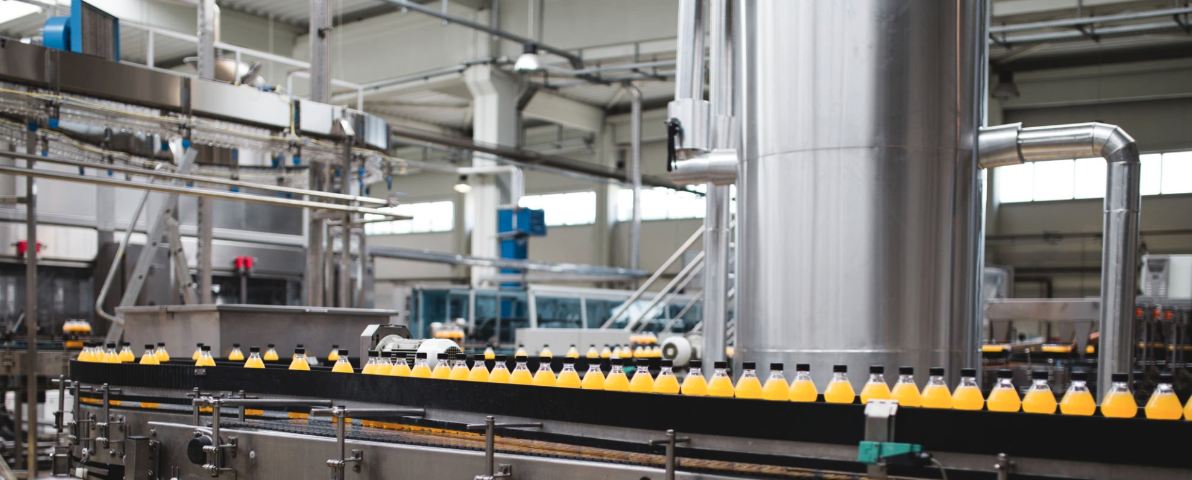
The food processing industry is reliant on energy for heating, cooling, and electricity as our food moves through the supply chain, consuming around 30% of the world’s available energy.
Food production requires a significant amount of energy primarily sourced from fossil fuels, which significantly contributes to Greenhouse gas emissions. In the UK, the food processing industry is the largest single manufacturing sector and the fourth largest industrial energy user.
Greenhouse Gas Emissions and Climate Change
The 2008 Climate Act committed the UK to reducing its greenhouse gas emissions by 80% by 2050 compared to 1990 levels. In June 2019, this was strengthened, committing the UK to bring all greenhouse gas emissions to net zero by 2050.
Energy consumption in food manufacturing significantly contributes to greenhouse gas emissions and climate change. Burning fossil fuels releases carbon dioxide (CO2) and other greenhouse gases into the atmosphere. These gases trap heat, leading to global warming and climate change.
There are things that food manufacturers can do to mitigate the impact of greenhouse gas emissions, such as adopting energy-efficient technologies, investing in renewable energy sources, and implementing carbon reduction strategies. These actions will help to reduce the industry’s carbon footprint.
To combat environmental pollution and create a more sustainable food sector, we need to explore how energy usage during the food manufacturing process can be reduced.
Water Usage and Pollution
Energy consumption in food manufacturing significantly impacts water usage and pollution. Water is essential for various processes in the industry, including cleaning, cooking, and ingredient preparation. However, excessive water uses, and inefficient water management practices can lead to water scarcity and pollution.
Food manufacturing often requires large amounts of water, particularly for cleaning and sanitation. Inadequate water conservation practices can result in excessive water consumption and strain local water resources. Moreover, the improper disposal of wastewater can lead to water pollution, contaminating rivers, lakes, and groundwater sources.
Food manufacturers can implement water-saving measures to address these issues, such as recycling and reusing water, optimising cleaning processes, and investing in water-efficient technologies. Proper wastewater treatment and disposal systems can also help minimise water pollution and protect the environment.
Waste Generation and Management
Energy consumption in food manufacturing is also closely linked to waste generation and management. The production and processing of food often result in the generation of various types of waste, including organic waste, packaging materials, and by-products.
Improper waste management practices can have adverse environmental impacts. Organic waste, if not correctly handled, can release methane, a potent greenhouse gas, during decomposition. Packaging materials like plastics contribute to pollution and threaten ecosystems and wildlife. By-products, such as food scraps and manufacturing residues, can also lead to pollution if not managed effectively.
Food manufacturers can adopt waste reduction strategies to address these challenges, such as implementing recycling programs, reducing packaging waste, and finding alternative uses for by-products. Implementing efficient waste management systems, including composting and anaerobic digestion, can help minimise the environmental impact of waste generated in the food manufacturing industry.
Refrigeration
The high energy demand in food manufacturing is largely due to the need for food preservation, packaging, and transportation.
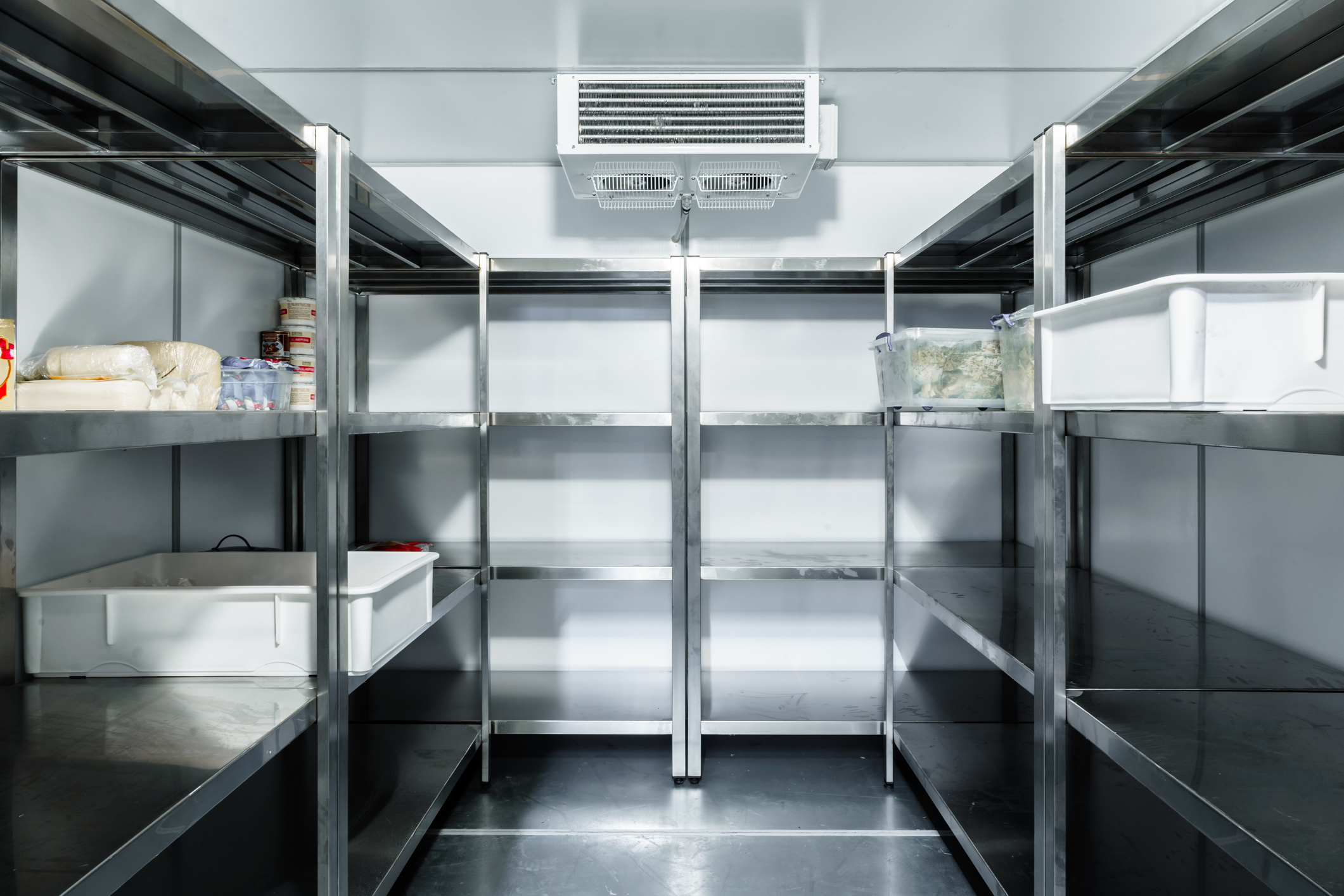
These processes often involve refrigeration, which requires a substantial amount of energy. This reliance on energy-intensive processes in food manufacturing contributes significantly to the industry’s overall environmental impact.
Refrigeration plays a vital role in ensuring food safety in the food industry. By keeping food at low temperatures, refrigeration helps to prevent the growth of harmful bacteria and other microorganisms that can cause foodborne illnesses It slows down the spoilage rate, preserving food products’ quality, freshness, and shelf life.
Refrigeration is also essential for the efficient distribution of food products, allowing the safe transportation and storage of perishable goods over long distances without compromising freshness and quality.
Efficient distribution facilitated by refrigeration also helps to reduce food waste and minimise the risk of product recalls due to spoilage or contamination. It allows for a smooth and reliable supply chain, ensuring consumers can access various fresh, high-quality food products.
But refrigeration at a large scale does come at a financial cost to food manufacturers and our environment.
Sustainable Practices in Energy Consumption
Food producers can minimise their energy wastage during production and the manufacturing process by investing in energy-efficient technologies and equipment, including energy-efficient lighting, motors, and heating and cooling systems.
Furthermore, food manufacturers can explore renewable energy sources, such as solar and wind power, to meet their energy needs.
Investing in renewable energy infrastructure reduces greenhouse gas emissions, helps diversify the energy mix, and enhances energy security.
Additionally, implementing energy management systems and conducting regular energy audits can help identify areas for improvement and optimise energy usage.
By adopting sustainable energy-consumption practices, food manufacturers can significantly reduce their environmental footprint, contribute to a more sustainable future, and help the UK achieve its 2050 net-zero targets.
Harvey & Brockless, renowned producers and distributors of speciality foods, has taken steps towards a more sustainable future and adopted new energy-saving technology, Coolnomix, to help reduce carbon emissions and costs.

Developed by Emissis, Coolnomix is a ground-breaking energy-saving technology that can reduce kWh consumption by up to 40%, making it ideal for food producers that rely on AC and refrigeration equipment as part of their manufacturing process.
If you want to find out how Emissis can help you reduce your energy consumption and costs, please get in touch.
Latest News

The Restauarant Group benefits from the savings offered by Coolnomix
Across The restaurant group they recognise the impact their practice has on the environment. Becoming aligned with the Zero Carbon Forum’s commitment to be net zero by 2040, they shifted focus to reducing carbon emissions and energy usage.
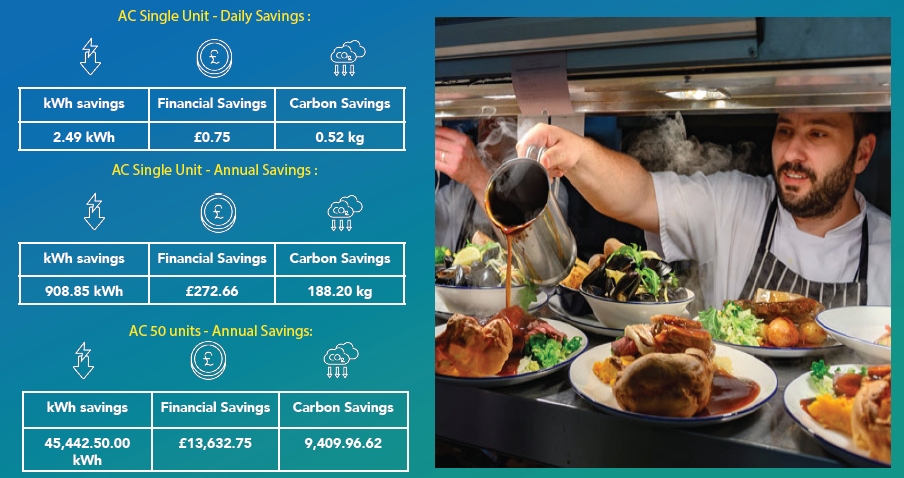
Installing our Coolnomix units through locations across the country meant they can save over 185 kg of carbon emissions annually per unit. Helping to improve their ESG rating and save money on energy bills.
Latest News

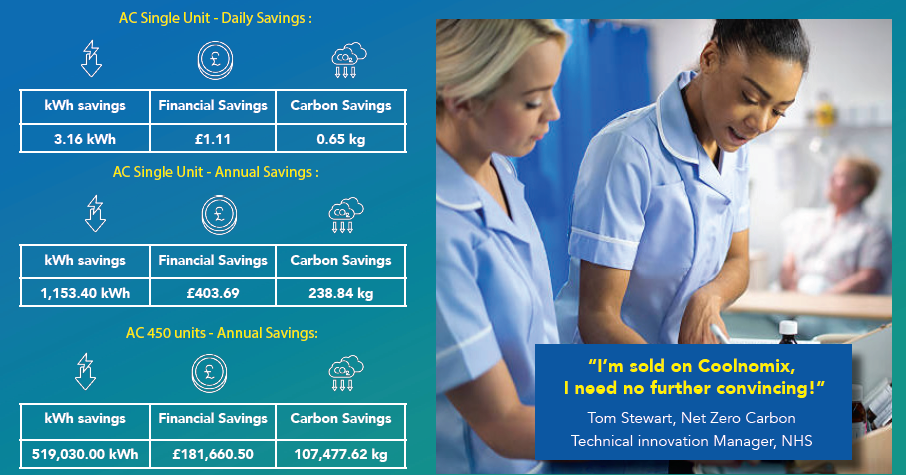
Coolnomix technology is improving the energy efficiency of every AC & refrigeration unit across the NHS
Air conditioning & refrigeration emissions account for over 25% of a hospitals carbon emissions. We are proud that our innovative, globally patented, energy reduction technology is playing an important role, in tackling AC & Refrigeration emissions as part of the bigger global picture.
Upon implementing Coolnomix, the NHS achieved significant energy savings, amounting to over 1,100 kWh per unit annually. This not only resulted in a substantial reduction in carbon footprint but also left the team highly satisfied with their environmentally conscious investment.
National ambition
(Source: https://www.england.nhs.uk/greenernhs/national-ambition/)
“To deliver the world’s first net zero health service and respond to climate change, improving health now and for future generations.”
The NHS was founded to provide high-quality care for all, now, and for future generations. Understanding that climate change and human health are inextricably linked, in October 2020, it became the first in the world to commit to delivering a net zero national health system. This means improving healthcare while reducing harmful carbon emissions, and investing in efforts that remove greenhouse gases from the atmosphere.
With around 4% of the country’s carbon emissions, and over 7% of the economy, the NHS has an essential role to play in meeting the net zero targets set under the Climate Change Act (Delivering a ‘Net Zero’ National Health Service).
Two clear and feasible targets are outlined in the Delivering a ‘Net Zero’ National Health Service report:
The NHS Carbon Footprint: for the emissions we control directly, net zero by 2040
The NHS Carbon Footprint Plus: for the emissions we can influence, net zero by 2045.
Led by Dr Nick Watts, the NHS’s first Chief Sustainability Officer, the Greener NHS National Programme exists to drive this transformation while delivering against our broader environmental health priorities. Laid out in the NHS Long Term Plan, these extended sustainability commitments range from reducing single-use plastics and water consumption, through to improving air quality.
On 1 July 2022, the NHS in England became the first health system to embed net zero into legislation, through the Health and Care Act 2022. The Delivering a Net Zero National Health Service report is now issued as statutory guidance. Find out what this means for NHS England, trusts and integrated care boards.
Latest News

Coolnomix services Moto’s energy usage by providing huge savings
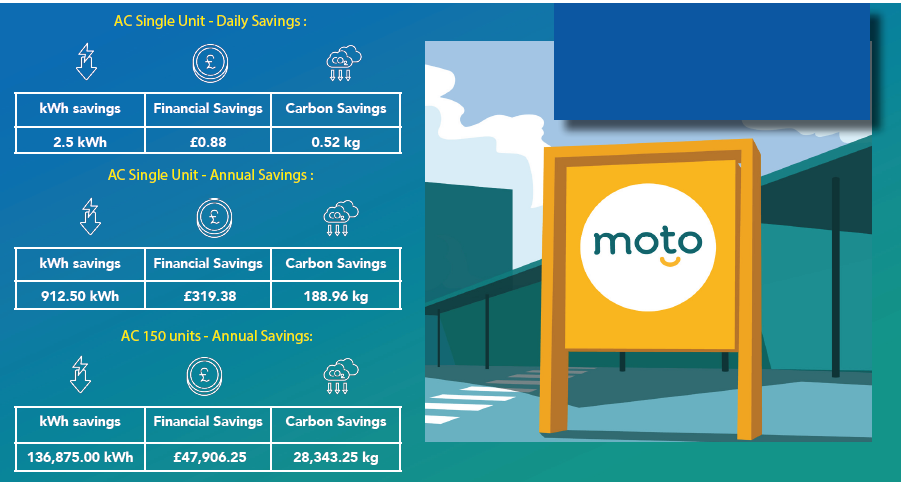
Moto, A brand mostly recognised by those who are travelling around the country sees over 120 million visitors across their UK sites each year. With an operation of this scale there are risks of using too much energy and having a poor carbon footprint.
The UK’s largest service station is shifting focus to improving their ESG rating, and becoming a net positive business by 2050. Emissis have assisted on the journey by installing 150 Coolnomix units that has reduced carbon emissions by 28,300 kg annually, with energy bills saving almost £50,000 per year.
Latest News

The University of Greenwich studies cutting down on energy costs
Greenwich University, an institution with ambitions of becoming Net Zero by 2030. They have a long history of driving sustainable practices and Emissis were able to help with that journey with our Coolnomix technology.
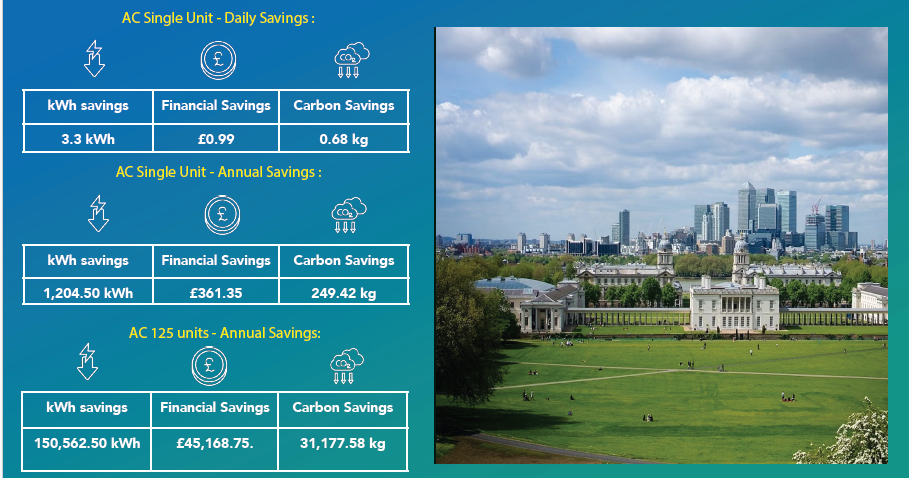
As a large University campus, there is high usage of air conditioning. Installing 125 units across the university site has generated huge savings on the cost of energy, but more importantly improved their carbon footprint through saving over 1,200 kilowatts per unit annually.
Greenwich University, after a successful pilot project, are installing 124 Coolnomix energy saving units across their air conditioning (AC) estate across 3 campus at Medway, Avery Hill & Bathway and at Greenwich. Coolnomix is a globally patented, innovative, retrofit, energy reduction device that reduces energy consumption and C02 emissions when installed on air conditioning and refrigeration equipment without affecting the performance or output of the AC units.
The units will reduce energy consumption by a forecast 23% saving the University over 315,000 kWh in electricity overspend. In addition, Coolnomix will save over 85 tonnes of C02 by reducing the emissions from each campus site.
On average, each Coolnomix unit will reduce energy consumption by around 3kWh every day!
The technology is designed to payback within a period of 12 – 18 months and with an expected lifespan of 10 + years it will continue to deliver financial and carbon savings for the University for many years to come.
Latest News

Greene King Brews A Sustainable Future With Coolnomix
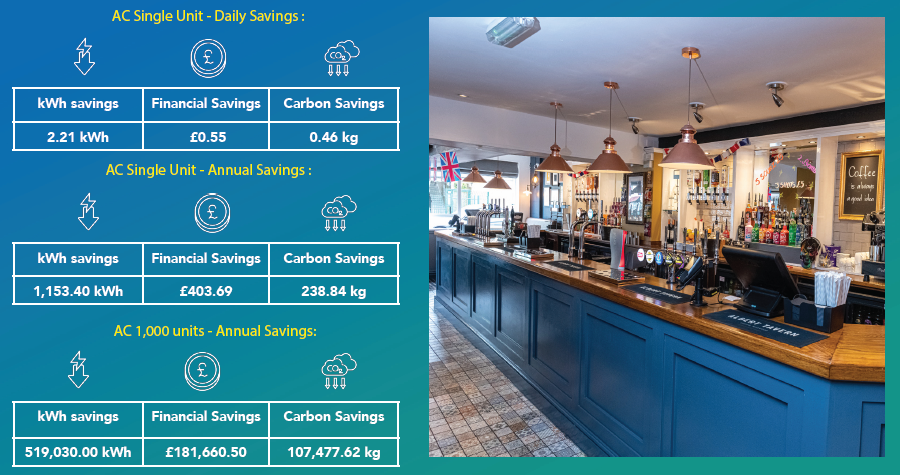
Leading Pub chain, Greene King are commited to driving social and environmental change. As a pub company and brewer they require lots of refrigeration and this results in them emitting high levels of carbon.
Emissis have been successful in reducing Greene King’s energy consumption through installing 1,000 Coolnomix Units. An energy saving device that guarantee’s to reduce kilowatt usage.
Annually, Greene King have saved over 165,000 kg of carbon, 800,000 kWh of energy and £200,000 on energy bills.
Latest News

Givaudan putting their trust in Coolnomix allows huge annual savings
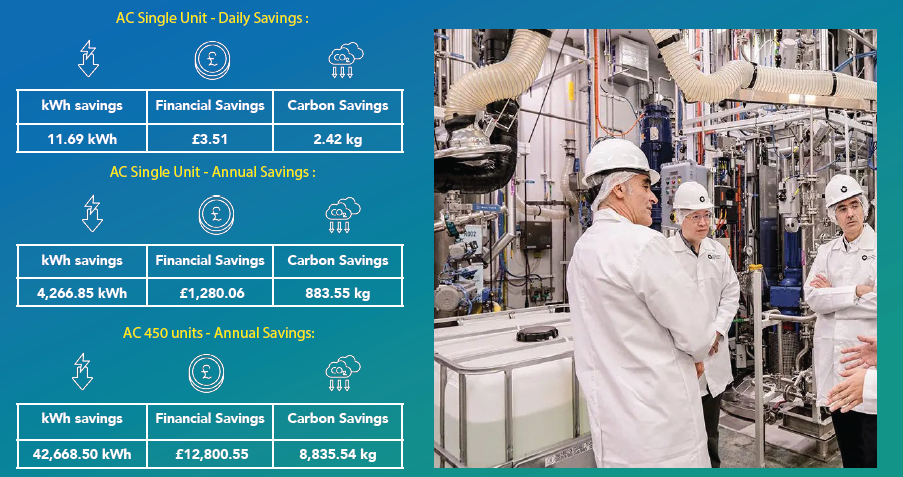
As a company with sustainability at its core that covers the food & drink and beauty markets, Givaudan have to ensure their facilities can manage their work. To help Givaudan get the most out of their refrigeration and move closer to a climate positive future they called upon Emissis to see how they could save with Coolnomix technology.
Implementing Coolnomix units meant they could save over 42,000 kWh and almost 10 tonnes of carbon emissions each year. With a swift Return on Investment it demonstrated the qualities Coolnomix can offer businesses.
Latest News

Dakota, the popular Hotel commits to a greener future
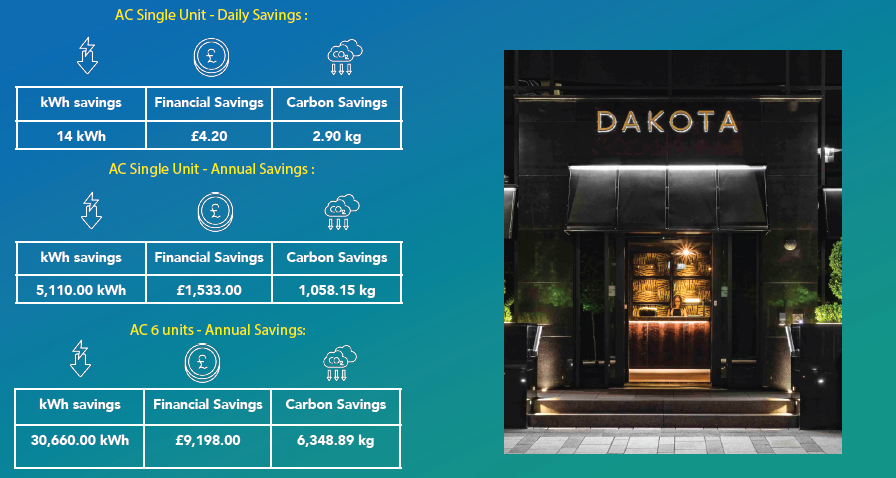
Hotels energy expenditure can be very high and somewhat uncontrollable. Dakota recognises this and are working towards Scotland’s Net Zero target of 2045.
To assist on their target, Coolnomix technology was installed to help combat energy usage. Annually the units installed are each saving over 5,000 kWh, not only reducing carbon emissions but allowing them to save money on the amount they spend on energy.
Latest News

In the competitive realm of high street dining, The Big Table Group stands out not only for their iconic restaurant brands like Las Iguanas and Bella Italia but also for their unwavering commitment to sustainability. Faced with the challenges of rising energy costs, the company has embarked on a transformative journey, combining innovative technologies like Coolnomix with their own ambitious sustainability goals.
The Big Table Group’s Vision:
The Big Table Group is acutely aware of the threats posed by climate change, the exploitation of natural resources, and unsustainable farming practices. Acknowledging these challenges, the company has committed to ensuring that every aspect of their operations, along with those of their business partners, contributes positively to the environment.
The Big Table Group is actively involved in energy trials aimed at reducing carbon footprint. Learnings from these trials, slated for implementation by the end of 2022, will play a pivotal role in achieving their sustainability milestones. Each trial boasts a dedicated energy champion tasked with monitoring progress and highlighting improvements. Extensive employee engagement initiatives further ensure that the entire restaurant team is involved in and supportive of these transformative measures.

The Big Table Group’s Green Journey with Coolnomix:
Aligned with their commitment to sustainability, The Big Table Group’s strategic partnership with Coolnomix is a testament to their proactive approach to energy efficiency. The installation of 200 Coolnomix units across their establishments not only optimises equipment performance but also aligns seamlessly with their carbon reduction goals.
A Greener Future in Sight:
As The Big Table Group forges ahead on their sustainability journey, the integration of Coolnomix technologies complements their broader initiatives. The company is not merely adapting to change but actively shaping a greener future for high street dining. Their dedication to environmental responsibility, coupled with innovative solutions, positions them as pioneers in the industry.
The Big Table Group’s commitment to sustainability, evidenced by their collaboration with the Zero Carbon Forum and the adoption of Coolnomix technologies, showcases a holistic approach to creating a more resilient and eco-friendly dining experience. As they navigate the challenges of the industry, The Big Table Group invites others to join them in this collective effort towards a more sustainable and responsible future for all.