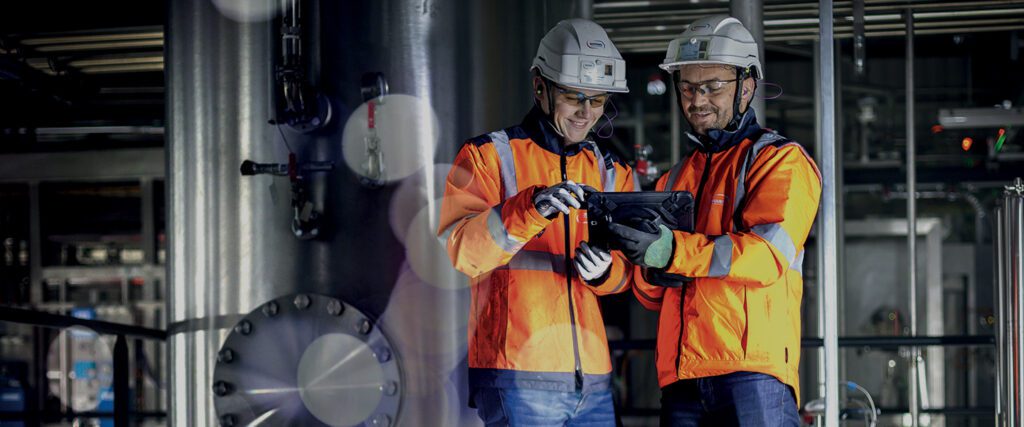
Climate change is an existential crisis with far-reaching consequences in various sectors, including the food industry. This industry is integral to human survival but is also a significant contributor to environmental degradation. With a rapidly expanding global population, the pressure to increase food production intensifies, threatening to exacerbate climate-related issues. This article delves into how climate change is reshaping the food industry and underscores the importance of transitioning to sustainable food production.
“Climate change poses an “existential threat” to life on Earth” Phys.org
The ramifications of climate change on the food industry are profound and multifaceted. Fluctuations in climate patterns lead to unpredictable growing seasons, which challenge traditional agricultural calendars and practices. These changes reduce crop yields and lead to the proliferation of pests and diseases, further endangering food security.
Climate change also exacerbates resource scarcity, making water an increasingly precious commodity. As droughts become more prevalent, competition for water resources intensifies, affecting the quantity and quality of food produced. This situation is particularly dire for regions already water-stressed, where farmers must decide which crops to prioritise and how to sustain their herds.
The adverse effects of climate change do not affect all farmers equally. Small-scale and subsistence farmers are especially vulnerable to the whims of the climate. Many of these farmers lack the resources or insurance to recover from crop losses or damage to their property caused by extreme weather events. The resulting economic instability can increase poverty and hunger, further exacerbating social and economic disparities.
Moreover, as climate change disrupts traditional farming practices, there is an urgent need to support farmers in adopting more resilient agricultural methods. Support can include access to education, resources, and technology to help them adapt to the changing environment.
The industrialised food system and its reliance on synthetic fertilisers, pesticides, and fossil fuels are unsustainable and a significant contributor to climate change. Modern agriculture, from farm machinery to food processing and distribution, is energy-intensive and produces substantial greenhouse gas emissions. To mitigate the industry’s impact on the planet, we must completely rethink how we produce and consume food.
The globalisation of the food industry has led to a system where the average meal travels thousands of miles from farm to plate, contributing to a significant carbon footprint. By prioritising locally grown food, we can reduce emissions associated with transportation and provide consumers with fresher, more nutritious options.
Local food systems are inherently more agile and can quickly adapt to changing local conditions, which is paramount in the face of climate instability. These systems also encourage the preservation of local varieties and farming techniques, which can improve the local environment. We can ensure a more personalised and secure food supply chain by fostering local food economies.

Challenges Facing UK Food Retailers
In 2008, the United Kingdom passed a pivotal legislation called the Climate Change Act. This ground-breaking act mandated that the UK reduce greenhouse gas emissions by at least 80% by 2050 compared to 1990. The implications of this act are far-reaching, particularly for industries like food retail that traditionally have a significant carbon footprint.
The term “carbon footprint” refers to the total greenhouse gas emissions caused by an individual, event, organisation, service, or product, expressed as carbon dioxide equivalent.
The Climate Change Act has catalysed change within the UK food retail sector, spurring a shift towards sustainability that benefits the environment.
To meet the stringent requirements, UK retailers have had to re-evaluate and take action to reduce emissions from their operations, from energy and refrigerants in their supermarkets to fuel used in transportation (Scope 1 and 2 emissions); these are significant but controllable sources of greenhouse gas emissions from the food system.
As the deadlines set by the act approach, UK food retailers need to continue to innovate and integrate sustainable practices into every aspect of their operations. This means reducing emissions arising from their entire value chain (Scope 3 emissions), the upstream supply chain, and downstream activities, such as the use and disposal phases, beyond the direct and energy emissions covered within Scopes 1 and 2. Scope 3 emissions are usually retailers’ most significant source of greenhouse gas emissions.
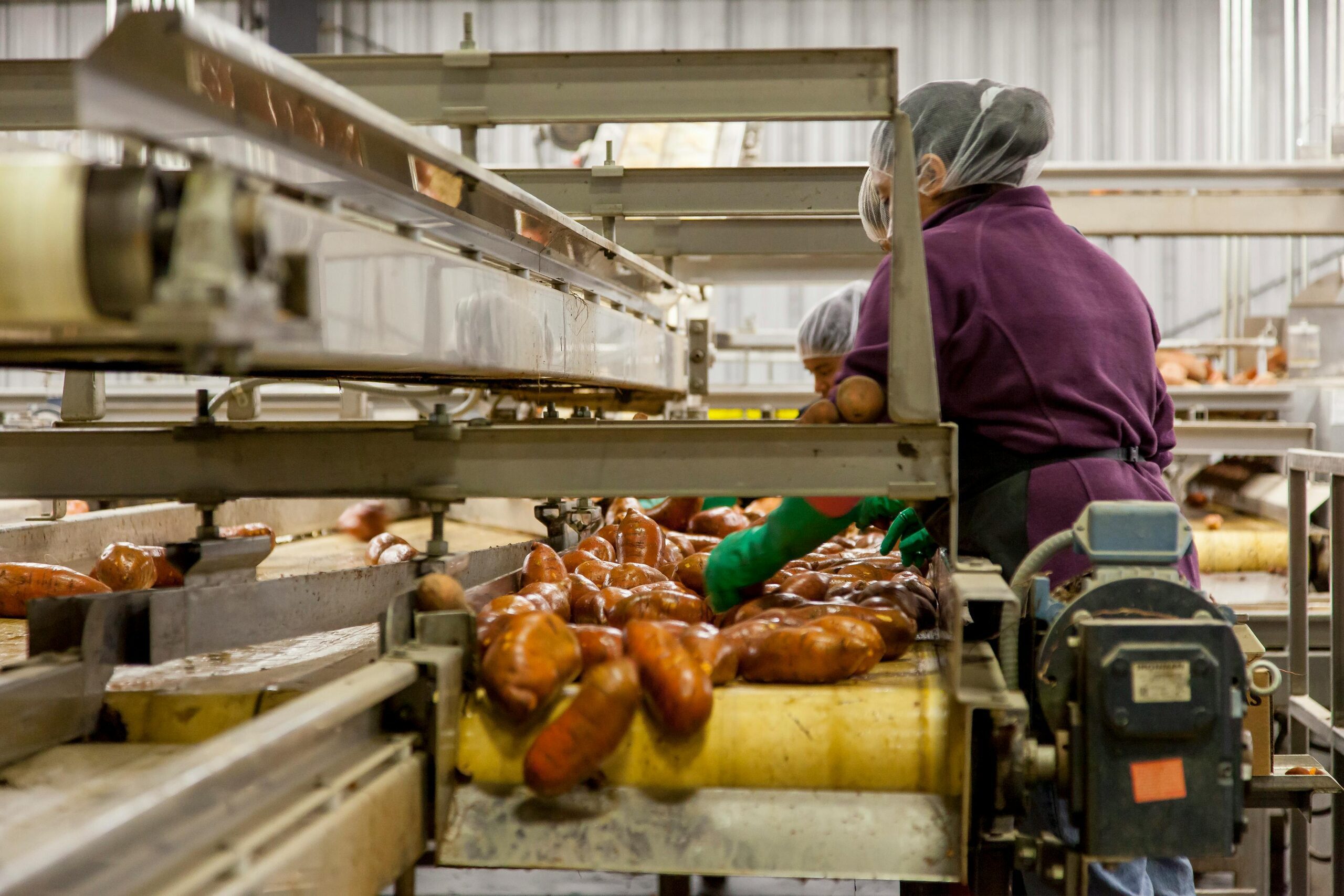
Energy consumption in food manufacturing significantly impacts water usage and pollution. Water is essential for various processes in the industry, including cleaning, cooking, and ingredient preparation. However, excessive water uses, and inefficient water management practices can lead to water scarcity and pollution.
Food manufacturing often requires large amounts of water, particularly for cleaning and sanitation. Inadequate water conservation practices can result in excessive water consumption and strain local water resources. Moreover, the improper disposal of wastewater can lead to water pollution, contaminating rivers, lakes, and groundwater sources.
Food manufacturers can implement water-saving measures to address these issues, such as recycling and reusing water, optimising cleaning processes, and investing in water-efficient technologies. Proper wastewater treatment and disposal systems can also help minimise water pollution and protect the environment.
The WWF Basket tracks a range of climate data submitted by food retailers, including Scope 1, 2 and 3 emissions.
In 2022, Co-Op, M&S, Sainsbury’s, Tesco and Waitrose signed a new commitment to drive action to tackle scope 3 emissions through their supply chains. Find out more about WWF’s Retailers Commitment for Nature – Climate Action here.
Greener Practices for Food Retailers
There are a number of green initiatives that can be adopted by retailers to lessen their carbon footprint. These include:
Energy Efficiency: Investment in energy-efficient lighting, refrigeration, heating and air conditioning systems to reduce power consumption.
Waste Reduction: Minimising food waste through better inventory management and donating unsold but edible food to charities.
Sustainable Sourcing: Sourcing products from suppliers that practice sustainable farming and production methods.
Recycling Programs: Improving recycling facilities and encouraging customers to recycle packaging materials.
More information can be found in our article The Environmental Impact Of Energy Consumption In Food Manufacturing
Advantages of Adopting Greener Practices
Aside from meeting legislative requirements, there are several advantages for food retailers to adopt green practices:
Customer Loyalty: Consumers are becoming increasingly environmentally conscious, and retailers that demonstrate a commitment to sustainability can build customer loyalty.
Cost Savings: Energy-efficient technologies can lead to significant cost savings in the long term.
Brand Image: Being recognised as an environmentally responsible business can enhance a retailer’s brand image and competitive edge.

Sustainable Practices in Energy Consumption
Food producers can minimise their energy wastage during production and the manufacturing process by investing in energy-efficient technologies and equipment, including energy-efficient lighting, motors, and heating and cooling systems.
Furthermore, food manufacturers can explore renewable energy sources, such as solar and wind power, to meet their energy needs.
Investing in renewable energy infrastructure reduces greenhouse gas emissions, helps diversify the energy mix, and enhances energy security.
Additionally, implementing energy management systems and conducting regular energy audits can help identify areas for improvement and optimise energy usage.
By adopting sustainable energy-consumption practices, food manufacturers can significantly reduce their environmental footprint, contribute to a more sustainable future, and help the UK achieve its 2050 net-zero targets.
Harvey & Brockless, renowned producers and distributors of speciality foods, has taken steps towards a more sustainable future and adopted new energy-saving technology, Coolnomix, to help reduce carbon emissions and costs.
Food Chain Technology Innovations
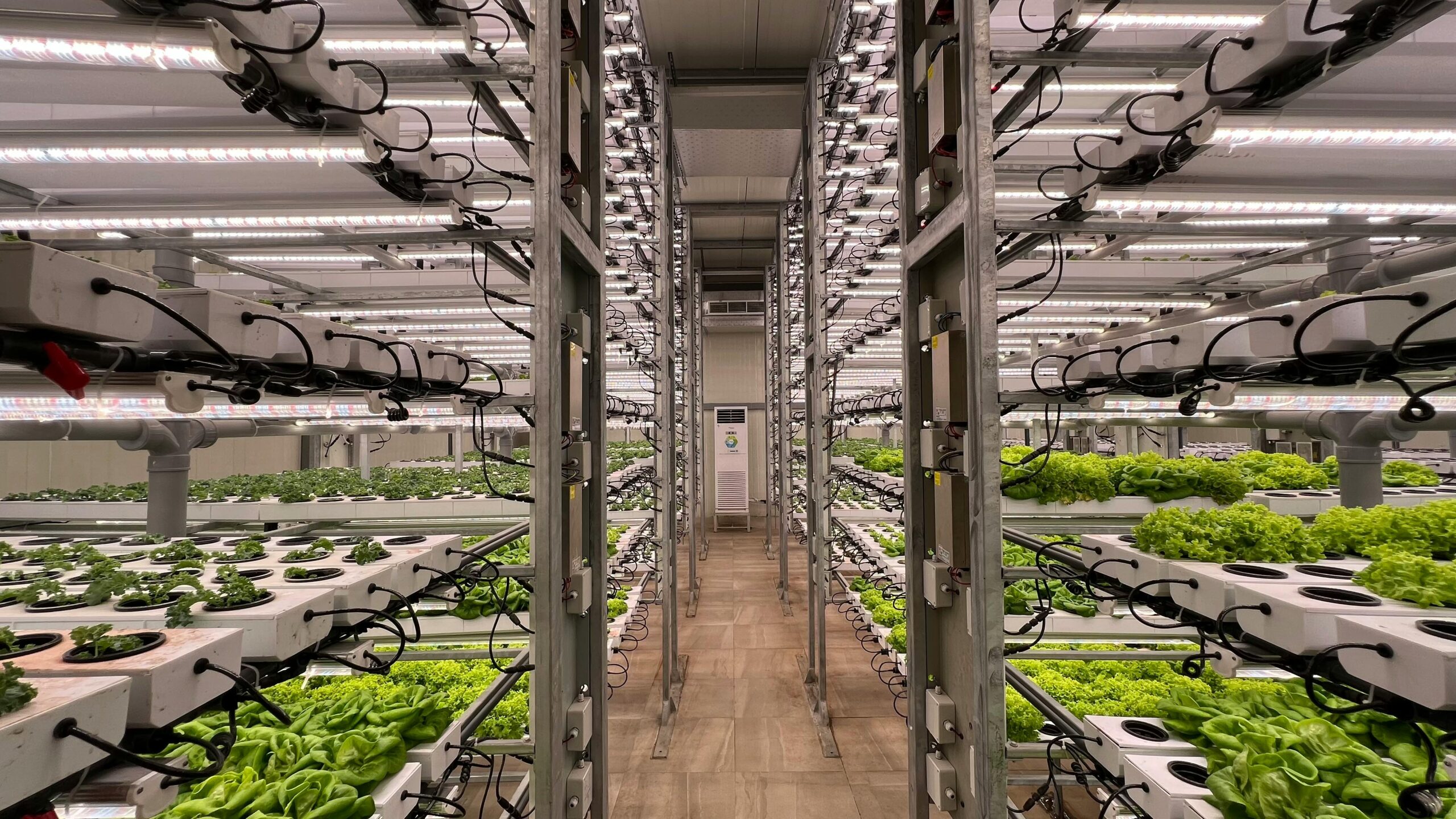
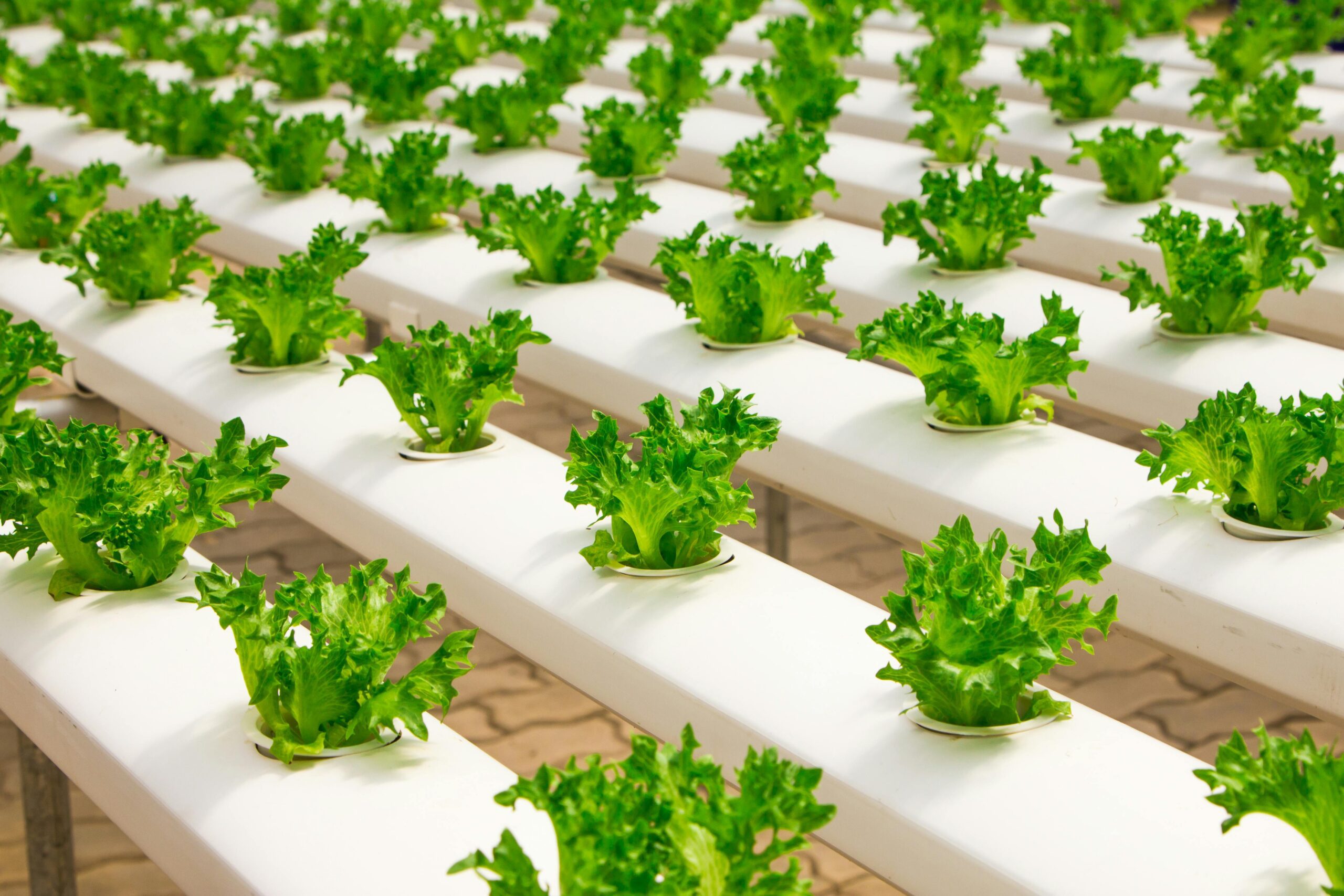
Technology facilitates the development of alternative food sources, such as lab-grown meat and vertical farming, which could dramatically reduce the ecological footprint of food production. These innovations have the potential to provide sustainable protein sources and fresh produce even in urban environments, thereby reducing the need for extensive land use and long-distance transportation.
Technology also empowers consumers to make informed decisions about their food. Through apps and online platforms, individuals can trace the origin of their food, learn about the farming practices used, and understand the environmental impact of their dietary choices. By providing transparency and information, technology bridges the gap between consumers and producers, fostering accountability and encouraging more sustainable consumption patterns.
Social media and digital marketing have given rise to a new wave of consumer activism, where individuals can advocate for sustainable food practices and influence industry trends. As consumers become more vocal and connected, their collective choices can drive significant change in the food industry, pushing it towards more environmentally friendly and ethical practices.
Conclusion
Since the Climate Change Act set out the target of reducing greenhouse gas emissions by 80% by 2050, the cost of electricity has risen from 5.37 pence per kW in 1990 to 10.72 pence in 2020, placing additional pressure on food retailers.
Climate change poses a significant threat to our food system. Still, technological advancements, new tools, and insights are now available to help retailers achieve Scope 3, reduce energy costs, and forge a sustainable food system for all.
Additional References:
Climate Change and Food Supply
A review of the effects of climate change on food within the remit of the Food Standards Agency
Latest News
The Role of Energy Consumption in Food Manufacturing
“The current energy consumption in agri-food systems is unsustainable in the long term. The food industry is currently consuming 30% of the world’s available energy, with more than 70% occurring beyond the farm gate, and produces over 20% of the world’s greenhouse gas emissions (around 31% if land-use change is included).” Source Food and Agriculture of the United Nations.
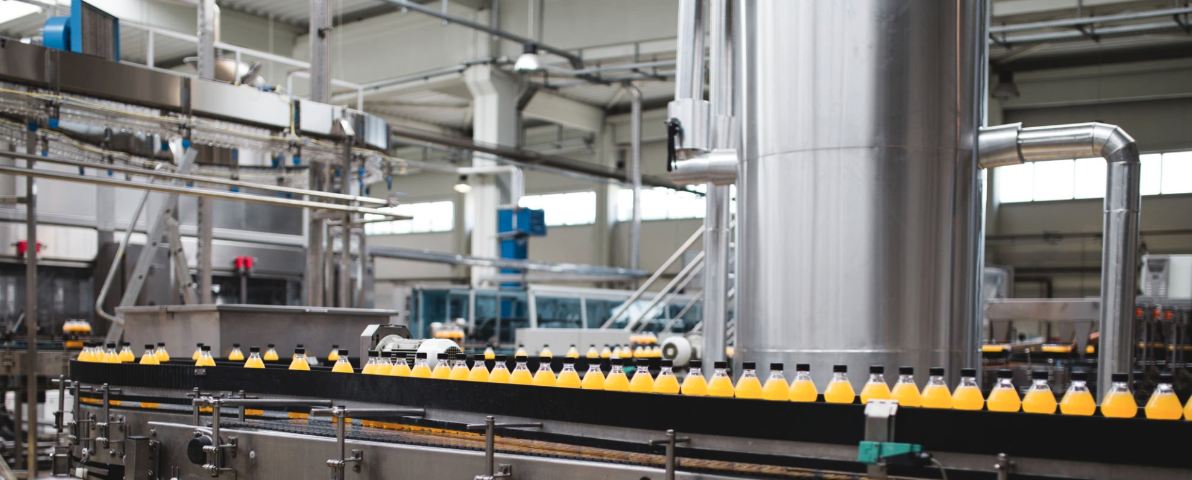
The food processing industry is reliant on energy for heating, cooling, and electricity as our food moves through the supply chain, consuming around 30% of the world’s available energy.
Food production requires a significant amount of energy primarily sourced from fossil fuels, which significantly contributes to Greenhouse gas emissions. In the UK, the food processing industry is the largest single manufacturing sector and the fourth largest industrial energy user.
Greenhouse Gas Emissions and Climate Change
The 2008 Climate Act committed the UK to reducing its greenhouse gas emissions by 80% by 2050 compared to 1990 levels. In June 2019, this was strengthened, committing the UK to bring all greenhouse gas emissions to net zero by 2050.
Energy consumption in food manufacturing significantly contributes to greenhouse gas emissions and climate change. Burning fossil fuels releases carbon dioxide (CO2) and other greenhouse gases into the atmosphere. These gases trap heat, leading to global warming and climate change.
There are things that food manufacturers can do to mitigate the impact of greenhouse gas emissions, such as adopting energy-efficient technologies, investing in renewable energy sources, and implementing carbon reduction strategies. These actions will help to reduce the industry’s carbon footprint.
To combat environmental pollution and create a more sustainable food sector, we need to explore how energy usage during the food manufacturing process can be reduced.
Water Usage and Pollution
Energy consumption in food manufacturing significantly impacts water usage and pollution. Water is essential for various processes in the industry, including cleaning, cooking, and ingredient preparation. However, excessive water uses, and inefficient water management practices can lead to water scarcity and pollution.
Food manufacturing often requires large amounts of water, particularly for cleaning and sanitation. Inadequate water conservation practices can result in excessive water consumption and strain local water resources. Moreover, the improper disposal of wastewater can lead to water pollution, contaminating rivers, lakes, and groundwater sources.
Food manufacturers can implement water-saving measures to address these issues, such as recycling and reusing water, optimising cleaning processes, and investing in water-efficient technologies. Proper wastewater treatment and disposal systems can also help minimise water pollution and protect the environment.

Waste Generation and Management
Energy consumption in food manufacturing is also closely linked to waste generation and management. The production and processing of food often result in the generation of various types of waste, including organic waste, packaging materials, and by-products.
Improper waste management practices can have adverse environmental impacts. Organic waste, if not correctly handled, can release methane, a potent greenhouse gas, during decomposition. Packaging materials like plastics contribute to pollution and threaten ecosystems and wildlife. By-products, such as food scraps and manufacturing residues, can also lead to pollution if not managed effectively.
Food manufacturers can adopt waste reduction strategies to address these challenges, such as implementing recycling programs, reducing packaging waste, and finding alternative uses for by-products. Implementing efficient waste management systems, including composting and anaerobic digestion, can help minimise the environmental impact of waste generated in the food manufacturing industry.
Refrigeration
The high energy demand in food manufacturing is largely due to the need for food preservation, packaging, and transportation.
These processes often involve refrigeration, which requires a substantial amount of energy. This reliance on energy-intensive processes in food manufacturing contributes significantly to the industry’s overall environmental impact.
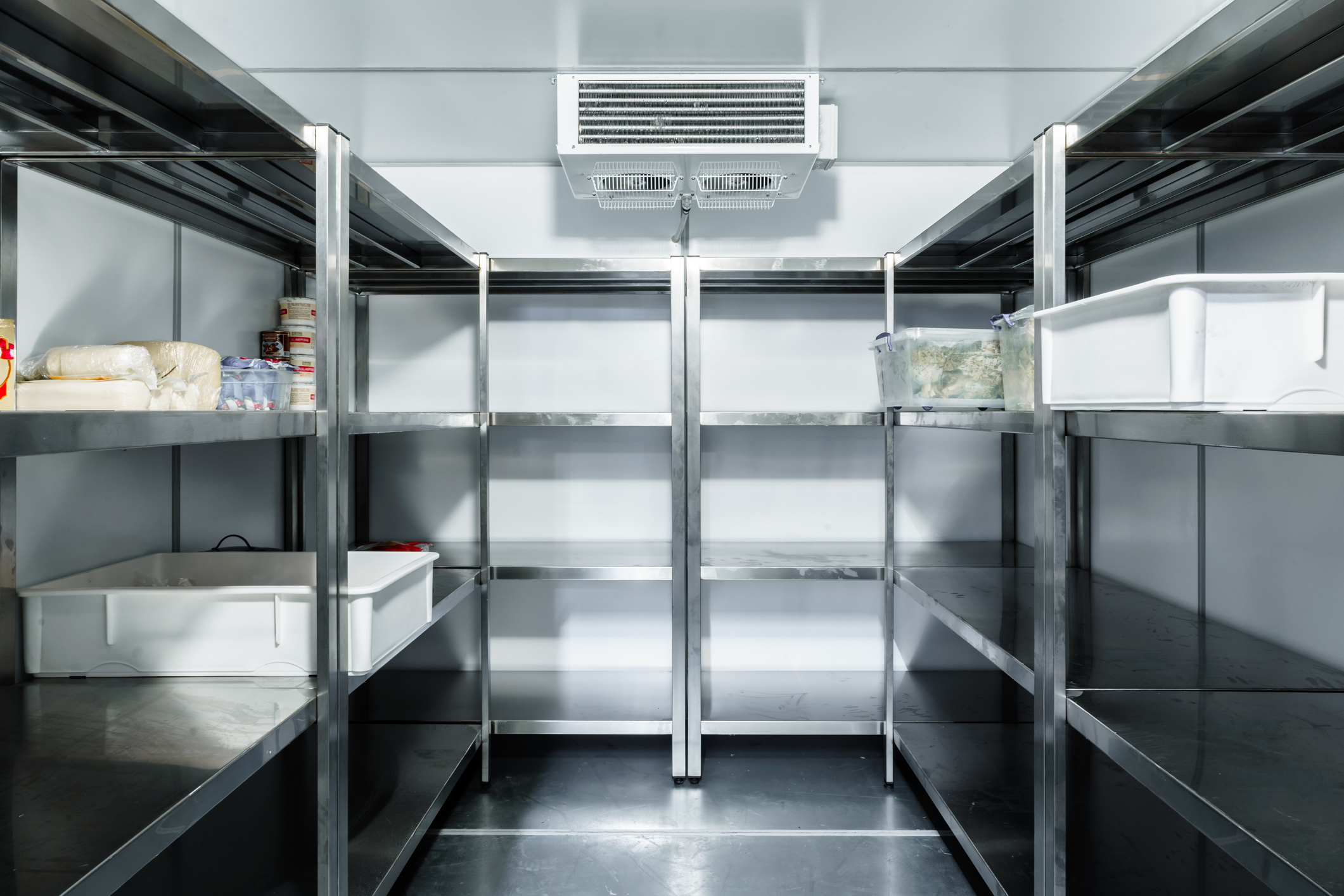
Refrigeration plays a vital role in ensuring food safety in the food industry. By keeping food at low temperatures, refrigeration helps to prevent the growth of harmful bacteria and other microorganisms that can cause foodborne illnesses It slows down the spoilage rate, preserving food products’ quality, freshness, and shelf life.
Refrigeration is also essential for the efficient distribution of food products, allowing the safe transportation and storage of perishable goods over long distances without compromising freshness and quality.
Efficient distribution facilitated by refrigeration also helps to reduce food waste and minimise the risk of product recalls due to spoilage or contamination. It allows for a smooth and reliable supply chain, ensuring consumers can access various fresh, high-quality food products.
But refrigeration at a large scale does come at a financial cost to food manufacturers and our environment.
Sustainable Practices in Energy Consumption
Food producers can minimise their energy wastage during production and the manufacturing process by investing in energy-efficient technologies and equipment, including energy-efficient lighting, motors, and heating and cooling systems.
Furthermore, food manufacturers can explore renewable energy sources, such as solar and wind power, to meet their energy needs.
Investing in renewable energy infrastructure reduces greenhouse gas emissions, helps diversify the energy mix, and enhances energy security.
Additionally, implementing energy management systems and conducting regular energy audits can help identify areas for improvement and optimise energy usage.
By adopting sustainable energy-consumption practices, food manufacturers can significantly reduce their environmental footprint, contribute to a more sustainable future, and help the UK achieve its 2050 net-zero targets.
Harvey & Brockless, renowned producers and distributors of speciality foods, has taken steps towards a more sustainable future and adopted new energy-saving technology, Coolnomix, to help reduce carbon emissions and costs.

Developed by Emissis, Coolnomix is a ground-breaking energy-saving technology that can reduce kWh consumption by up to 40%, making it ideal for food producers that rely on AC and refrigeration equipment as part of their manufacturing process.
If you want to find out how Emissis can help you reduce your energy consumption and costs, please get in touch.
Latest News

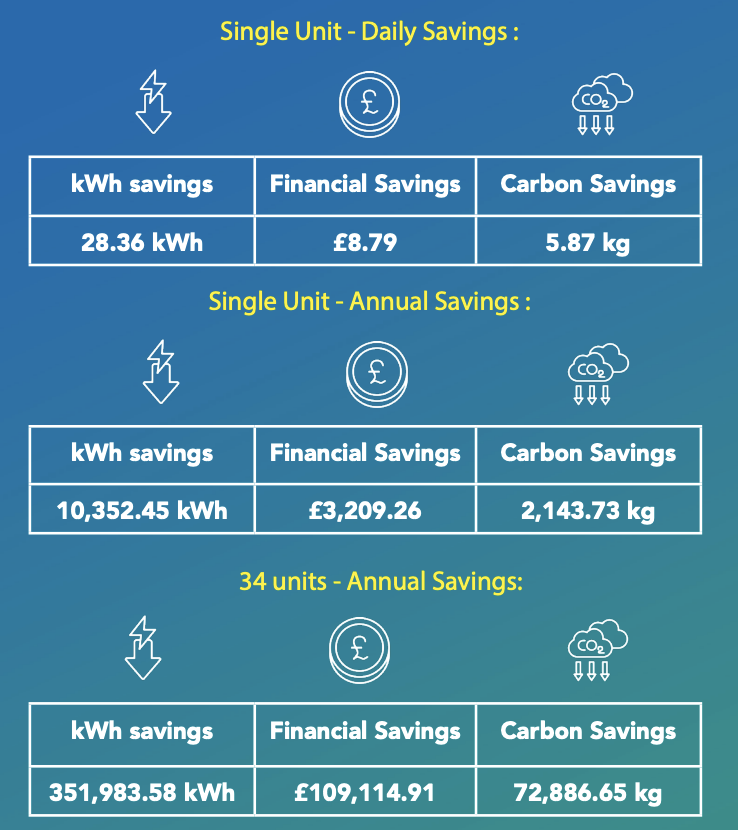
Côte Brasserie is committed to achieving five ESG goals, one of which focuses on reducing carbon emissions. To achieve this, Emissis installed Coolnomix, an energy-saving device, across 34 freezer and chiller units at their food production facility.
The freezer and chiller units are individually contributing to a yearly carbon savings of 2,140 kg, resulting in a total of 72,886 kg across all 34 units. This is a total of over £109,000 in annual savings.
Looking ahead, Côte Brasserie anticipates cumulative savings of £1,091,150 over a decade. Additionally, these efforts are expected to lead to a reduction of 3.5 million kWh in energy consumption.
Latest News

Tees Active is a charitable trust that operates a range of facilities, including gyms, swimming pools, and ice skating rinks. In August 2022, Tees Active introduced its environmental plan, which aimed to enhance energy efficiency across its venues. True to their commitment, they successfully fulfilled this objective by investing in Voltage Optimisation technology, furthering their efforts to protect and preserve the environment.
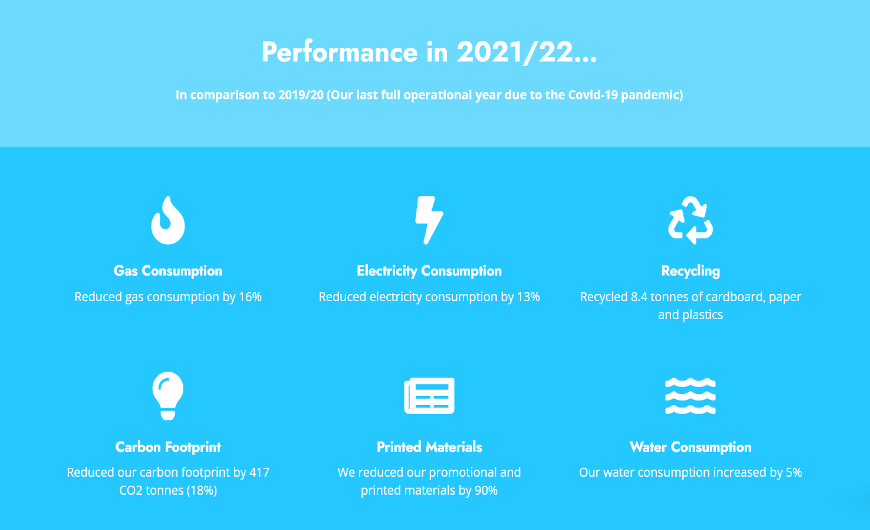
When a Voltage Optimisation machine was successfully installed at a Tees Active facility, it created significant energy savings. The installation brought about significant benefits in terms of financial savings and reduced carbon footprint. The outcome of this installation demonstrates how adopting Voltage Optimisation as an energy-saving solution is important and beneficial.
Operations Manager Darren Humphrey from Tees Active can further attest to the efficiency of Voltage Optimisation.
“I’m highly impressed with Emissis and its voltage optimisation solution. The tailored solution perfectly aligned with our savings goals, and the entire process, from consultation to installation, was executed with commendable professionalism and precision. The Emissis team’s exceptional expertise ensured a seamless experience with minimal disruption to our operations, resulting in significant savings for Tees Active. I recommend Emissis as a reliable and professional partner in energy optimisation.”
The UK aims to be net zero by 2050, so companies throughout the UK, regardless of size, should seriously consider adopting technologies such as Voltage Optimisation to save on energy bills, reduce carbon emissions, and positively impact the environment. Voltage Optimisation is a practical and impactful solution that can significantly contribute to achieving sustainability goals.

Latest News

izza Express took a proactive stance in combating climate change by joining the esteemed Lean & Green programme. This initiative recognises companies that successfully meet CO2 reduction targets, showcasing Pizza Express’s dedication to sustainable practices. As part of their ongoing commitment, Pizza Express partnered with Emissis to implement Voltage Optimisation (VO) technology. Let’s delve into how this strategic investment resulted in significant energy savings at Pizza Express facilities.
Voltage Optimisation technology offers numerous advantages for businesses aiming to reduce energy consumption. By ensuring devices operate at their most efficient levels without compromising performance, VO technology helps businesses achieve tangible energy savings. In the case of Pizza Express, the installation of VO systems led to noticeable reductions in electricity bills and carbon emissions, resulting in a swift return on investment.
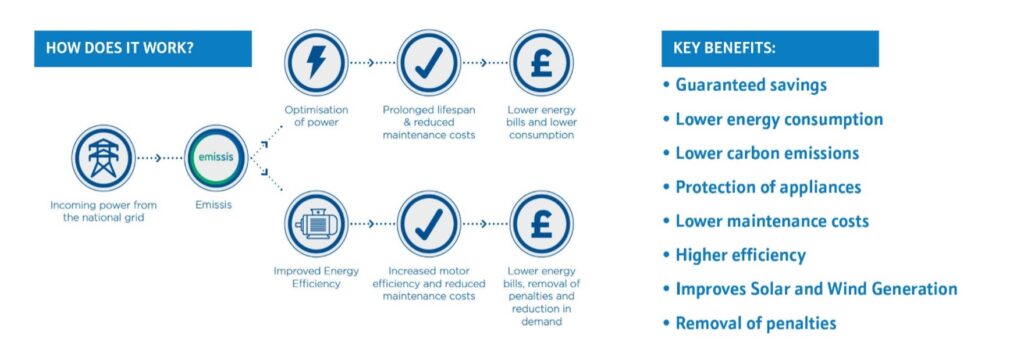
As a provider of sustainable technologies, Emissis is delighted to have worked with Pizza Express in implementing Voltage Optimisation technology. This successful partnership has produced substantial energy savings, with noticeable reductions in both electricity bills and carbon emissions. Emissis remains dedicated to encouraging positive environmental impact through innovative solutions

Latest News
Pets at Home was founded in 1991 and now sits as the leading pet supplies retailer in the UK with over 450 stores nationwide. They offer a wide range of services throughout their stores including pet care centres, grooming salons and veterinary practices. As a business that centre the welfare of pets its essential they protect, enhance and do their bit for the environment.
Our company, Emissis stands as leading provider of energy efficient solutions. We partnered up with Pets at Home to install our Voltage Optimsation technology. Pets at home investing in our services has allowed for huge savings of energy, carbon and money, all with a payback of under 2 years.
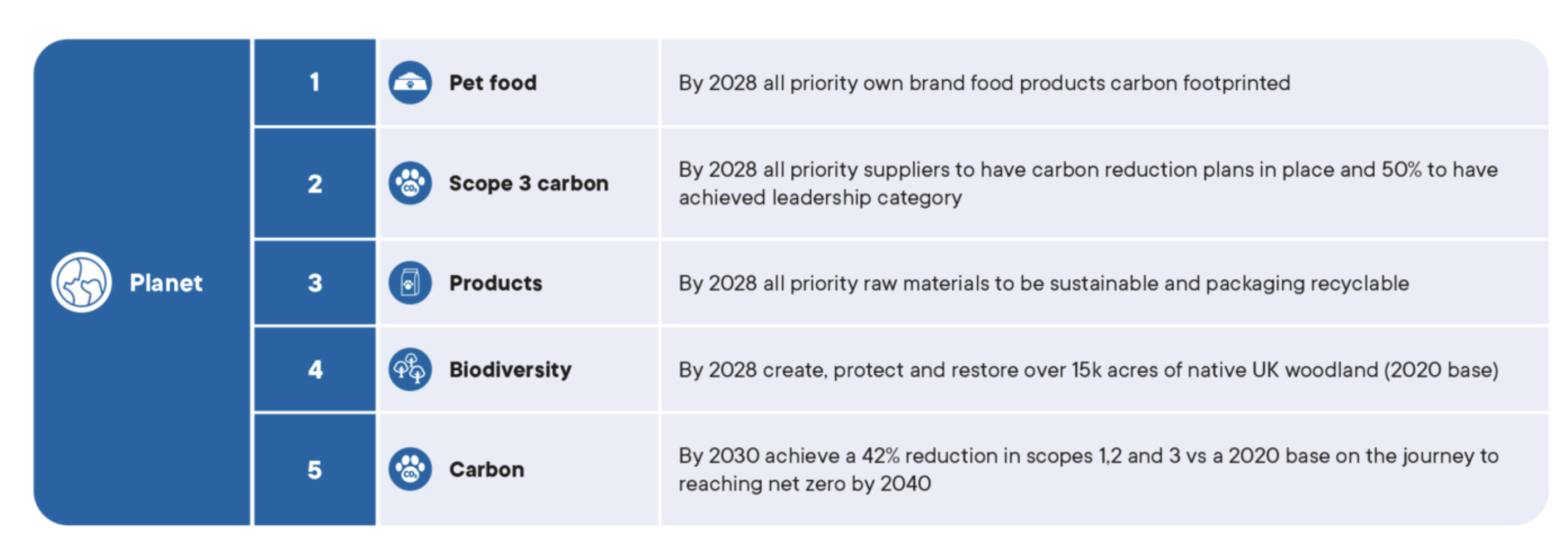
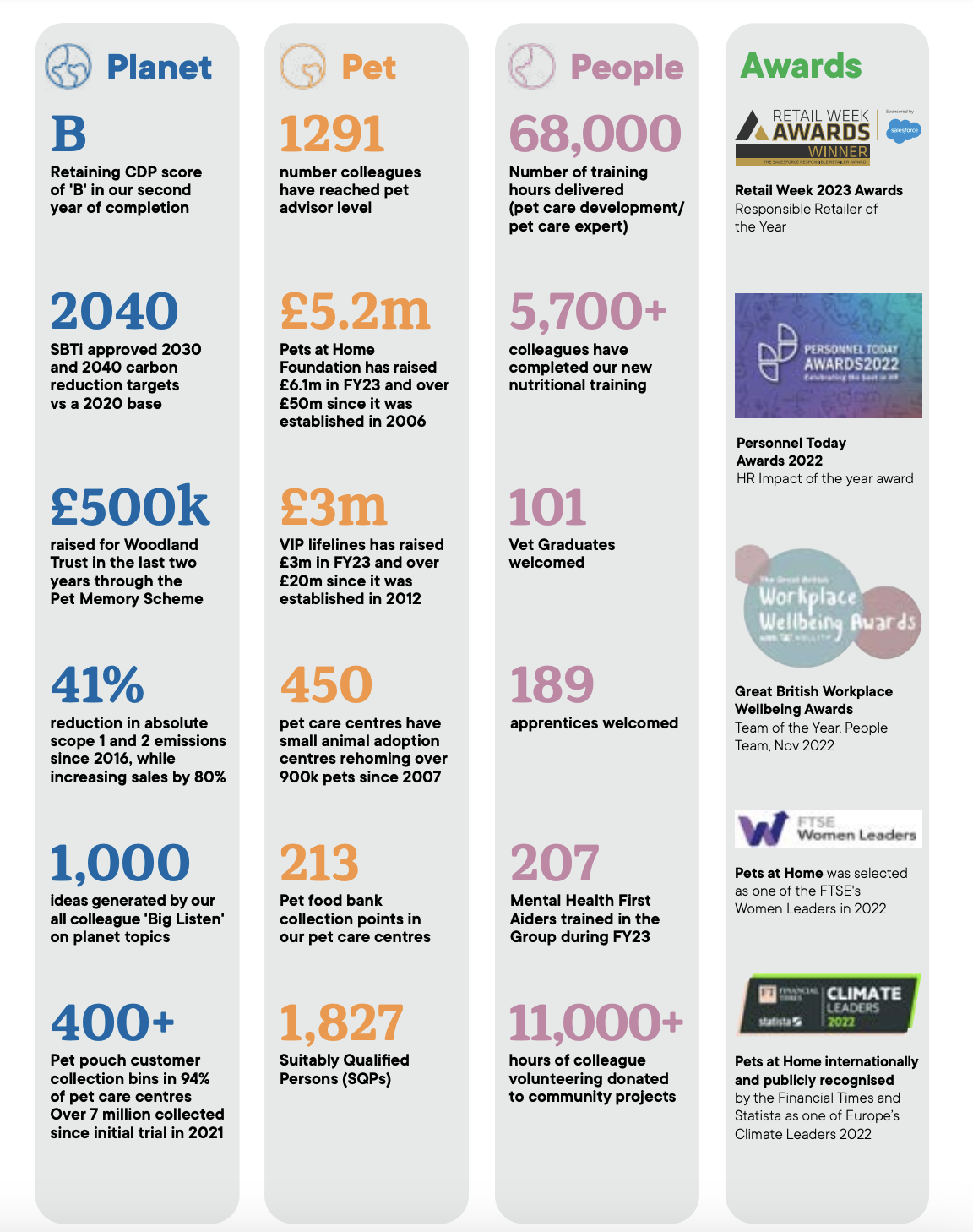
Making pet care environmentally sustainable.
” Climate change, biodiversity loss and resource scarcity are the biggest challenges facing our planet. Our strategic priority is to lead the way in the creation of sustainable pet food, while continuing to reduce the environmental impacts of our operations and other products and services.”

Founded in 1956 as Birtenshaw School in Bromley Cross, Bolton, The Birtenshaw Group is widely respected for its dedication to delivering outstanding care and education services to individuals with Special Educational Needs and Disabilities (SEND). Their mission to empower those with complex health needs and learning disabilities has garnered widespread recognition.
In their ongoing effort to improve facility functionality and sustainability, The Birtenshaw Group has formed a strategic partnership with Emissis. Our company, Emissis, is a top provider of energy-efficient solutions, with a significant focus on Voltage Optimisation (VO) technology.
Voltage Optimisation Installation Process and Outcomes:
In July, we installed VO machines at two Birtenshaw School locations. In Bolton, we achieved an impressive 9% reduction in energy consumption, while at Birtenshaw School Merseyside, we accomplished a commendable 7.91% reduction. These results average an 8.46% current savings rate, showing significant progress in reducing both carbon emissions and energy costs.

Regarding the installation process conducted by our team, Richard Steen, Director of Estates at The Birtenshaw Group, conveyed his appreciation, stating:
“I extend my sincere thanks to the Emissis team for their seamless and successful installations at Birtenshaw School Campus A in Bolton and Birtenshaw School Merseyside. The team executed the work with minimal disruption to our services, and we eagerly anticipate their return in December to complete Birtenshaw School Campus B in Bolton. Additionally, we are exploring the possibility of extending this energy-saving technology to two more of our Bolton sites.”
This collaboration between Emissis and The Birtenshaw Group highlights the power of innovative technology, specifically Voltage Optimisation (VO), in improving sustainability and operational efficiency in educational and care facilities.

Latest News

Greene King, a prominent British pub chain and brewery, is committed to making a significant environmental impact as its ESG strategy promotes. In 2020, the company joined the Zero Carbon Forum, showing its determination to combat climate change. As a demonstration of this commitment, Greene King invested in our Voltage Optimisation machinery, a climate-friendly innovative technology, that has a multitude of energy-saving benefits.
The installation of Voltage Optimisation (VO) at Greene King facilities showcased several gains. Firstly, it improved energy efficiency, reducing wastage and resulting in significant cost savings on electricity bills. Secondly, the VO machine effectively reduced carbon emissions, aligning with Greene King’s sustainability goals. Additionally, it extended the lifespan of electrical assets, minimising maintenance and replacement costs.

Greene King’s commitment to sustainability is evident through their investment in Voltage Optimisation machinery. This technology enhances energy efficiency, reduces carbon emissions, and extends the lifespan of equipment. Emissis takes pride in supporting businesses of all sizes, empowering them to embrace sustainable practices and contribute to a greener future.
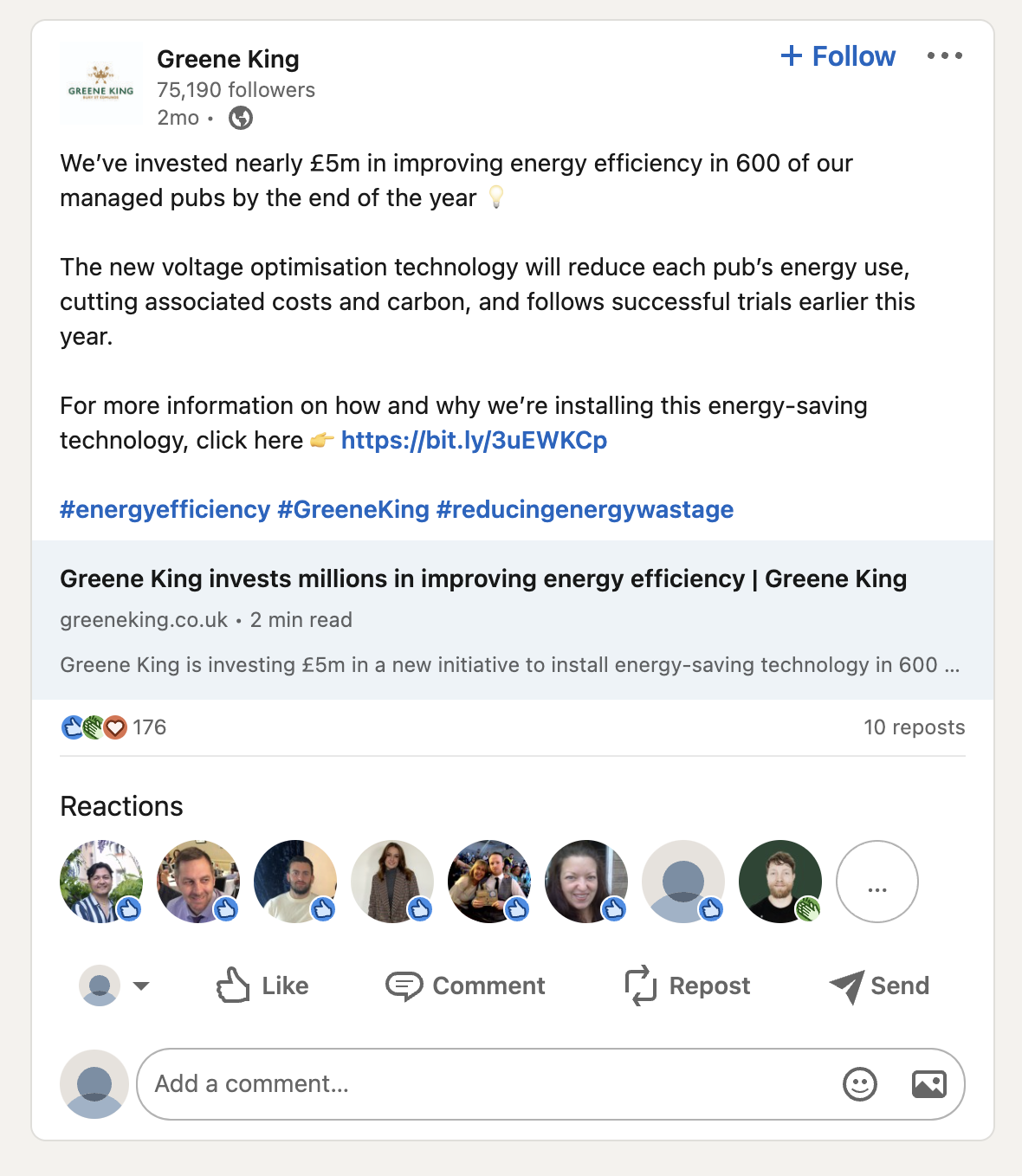
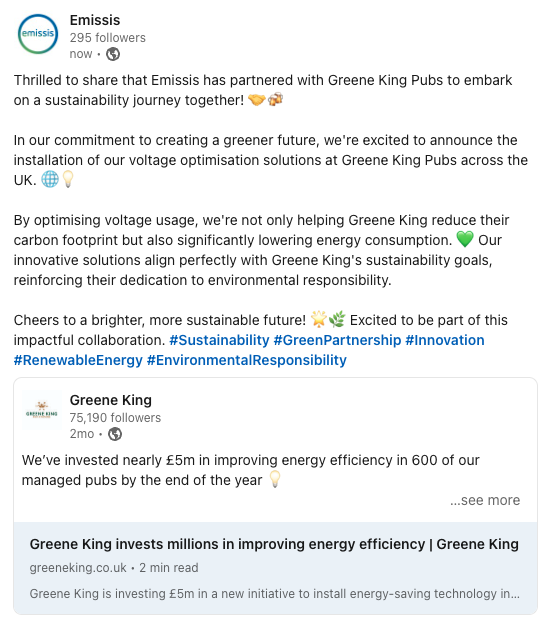
GREENE KING INVESTS NEARLY £5M IN IMPROVING ENERGY EFFICIENCY IN HUNDREDS OF PUBS
Greene King is launching an initiative to install energy-saving technology in 600 of its managed pubs by the end of 2023, with further sites planned to benefit in 2024.
The voltage optimisation technology installed at each pub will help to regulate the incoming power supply by reducing the voltage provided to the optimum level, reducing the pub’s energy use and therefore also cutting the associated costs and carbon.
Initial trials in 2023 saw a healthy reduction in electricity usage at each pub, meaning that the investment is expected to pay for itself within a relatively-short timeframe.
The initial phase is focusing on higher-energy-using sites, which includes Greene King’s whole Farmhouse Inns estate of 70 pubs. These are typically larger sites with a carvery, open throughout the day from breakfast, with large ovens for slow-cooking as well as busy kitchens.
The new technology is installed close to the building’s electric distribution board and works when the electricity passes through the equipment, the supply voltage is reduced to the required amount going into the pub. It doesn’t require operating once it is installed and will work automatically to optimise power levels.
Assad Malic, Greene King’s Chief Communications & Sustainability Officer said: “To reduce our impact on the environment, it’s crucial that we look at ways of reducing the energy we are using and be vigilant for ways we can cut wastage at scale. This multi-million-pound investment will benefit hundreds of our pubs and follows successful trials earlier this year.
“Pubs face challenges when it comes to reducing energy wastage, in particular in historic and listed buildings, which are often poorly insulated. So while we are looking at ways to reduce the energy we are using, we also need to ensure we are looking to minimise energy that is going to waste.
“At the moment historic buildings are constrained by planning laws that restrict the work that can be done to decarbonise them. Pragmatic discussions need to be had with the government about ways to decarbonise these buildings in a way that respects their history but equally allows them to transition to net zero. We will continue to play our part to work collaboratively across the industry so we all become more sustainable, but we also need the government to recognise the unique challenges historic pubs face and help us create a decarbonisation plan in line with planning laws.”
The introduction of voltage optimisation in hundreds of pubs supports Greene King’s strategic roadmap aligned to the company’s science-based target to halve greenhouse gas emissions by 2030.
Contact: Greene King Press Office, PressOffice@greeneking.co.uk

Latest News

We are delighted to have partnered with Bouygues Energies & Services (UK), a leading force at the forefront of decarbonisation in the FM industry, that supported us with the Coolnomix trials. These trials produced remarkable results that exceeded our expectations.
The Coolnomix energy optimisation thermostat was installed in several public sector facilities. This was at hospitals, such as Broomfield, University Hospital Lewisham, and North Middlesex University Hospital, as well as schools in the Lewisham Borough. We can proudly announce that from the trials, there was a 16% reduction in energy consumption and an expected annual avoidance of 342kg of CO2.
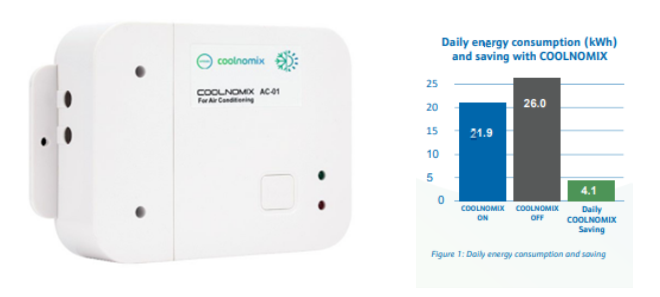
Following on from this success, we are thrilled to announce that Barnet Hospital and Addenbrookes Treatment Centre will soon begin their trials with Coolnomix. With their participation, we anticipate achieving equally remarkable outcomes.
The conducted trials showcase Coolnomix’s ability to deliver impressive energy-saving benefits. To truly grasp the magnitude of these advantages, it is crucial to delve into the technical workings of Coolnomix. In many air-conditioning applications, a considerable amount of energy goes to waste due to the extended operation of the compressor, which accounts for a significant portion of the overall running costs. Coolnomix tackles this issue head-on by incorporating its patented Optimised Refrigerant Supply® (ORS®) process into its advanced COOLNOMIX® control device. This integration effectively reduces the run-time of the cooling system compressor, resulting in a decrease in electricity consumption, even in challenging and high-humidity environments.
We would like to express our appreciation for Bouygues Energies & Services (UK) especially the Mobile Solutions Team for their assistance in the installation and trials. Their expertise and support have been vital in showcasing the full potential of Coolnomix and its energy-saving benefits. This collaboration reinforced our commitment to providing innovative and sustainable solutions to the market.
The trials carried out in public sector facilities have produced overwhelmingly positive results for Coolnomix. Its remarkable capability to reduce energy usage and effectively regulate CO2 emissions was clearly showcased.
Simon Hayman, Regional Director of Bouygues Energies & Services on the company’s innovative capabilities and the future of Coolnomix:
“As an energy & digital solutions provider delivering FM excellence across more than 25 public sector PFI contracts, we recognise the importance of reducing energy for our Customers. Our Energy Focused FM is about delivering these types of benefits quickly. Having the chance to test the Coolnomix units was insightful and assuring. Going forward, we are looking to offer Coolnomix to our customers across our portfolio.”